
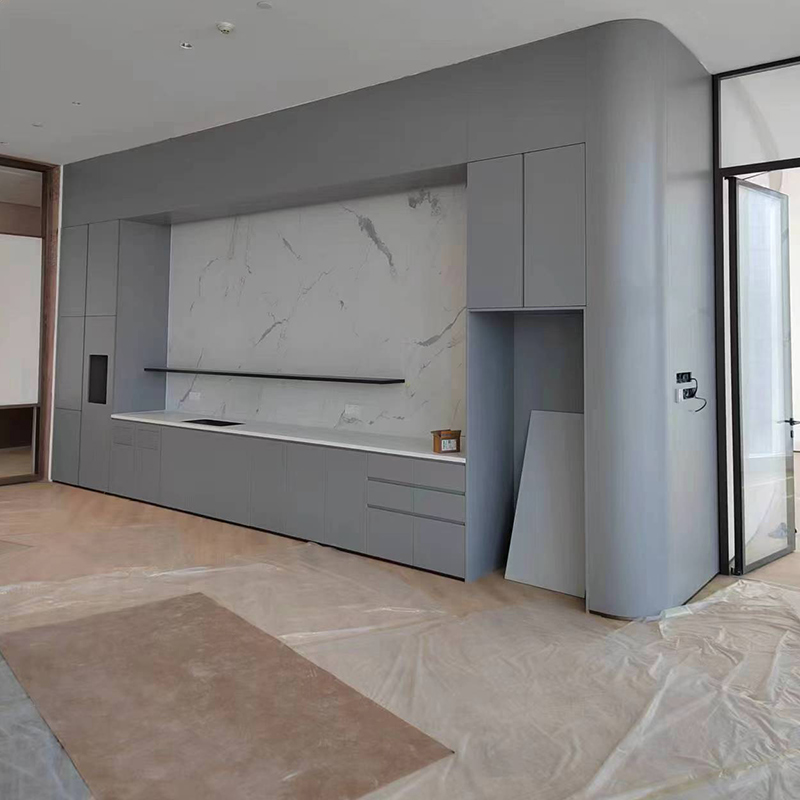
EB Curing Technology Accelerates Market Growth as Demand for Durable, Low-Maintenance Panels Surges
2025-12-25
The global decorative materials industry is witnessing a new wave of innovation as EB Curing technology gains strong momentum across furniture, interior design, and commercial construction sectors. Products such as the EB-Cured Anti-Fingerprint Panel, EB Decorative Board, EB Anti-Fingerprint Coated Sheet, EB Anti-Fingerprint Panel, and Matte EB Panel are becoming increasingly popular due to their exceptional surface performance, sustainability advantages, and modern aesthetic appeal.
EB Curing—short for Electron Beam Curing—uses high-energy electron beams to instantly cure coatings without solvents, elevated temperatures, or UV lamps. This advanced process creates a dense, durable surface layer that offers superior resistance to scratches, stains, and fingerprints. As a result, EB-cured products are rapidly replacing traditional laminated and chemically coated materials in both residential and commercial applications.
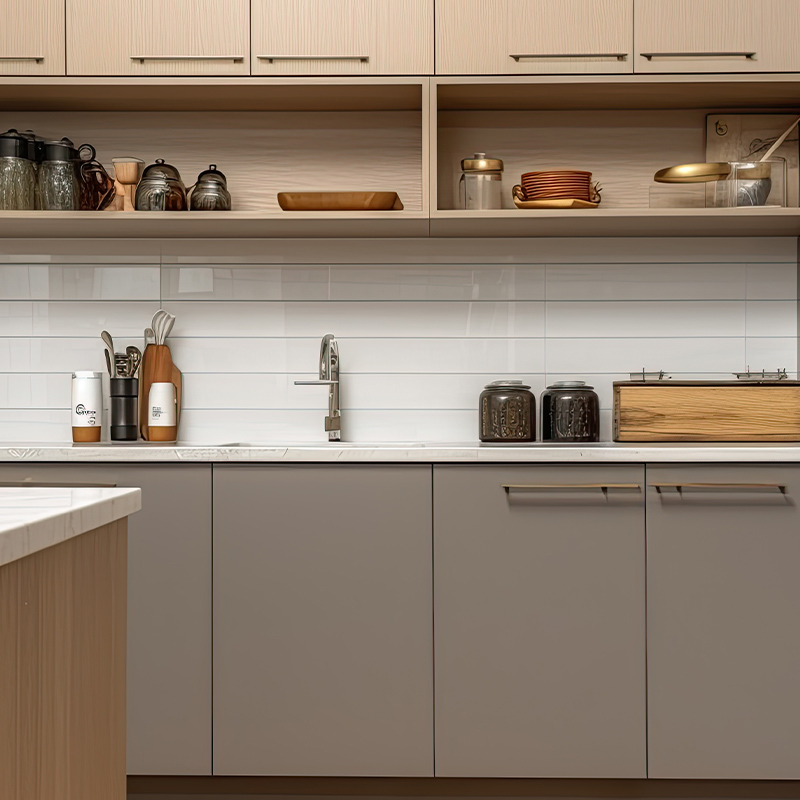
Among the latest innovations, the EB-Cured Anti-Fingerprint Panel and EB Anti-Fingerprint Coated Sheet have captured significant market attention. Their smooth matte finish and smudge-resistant properties make them ideal for kitchen cabinetry, office furniture, wardrobe doors, and high-touch vertical surfaces. These panels maintain a clean, refined appearance even under frequent use, reducing long-term cleaning and maintenance costs.
The EB Decorative Board and Matte EB Panel are also gaining adoption in premium interior projects. Architects highlight that the boards’ soft-touch matte texture and anti-glare effect offer a modern visual appeal aligned with today’s minimalist design trends. Meanwhile, retailers and hospitality operators value the panels’ durability, especially in high-traffic spaces such as reception desks, wall partitions, display units, and restaurant interiors.
Sustainability is another driver behind the rapid growth of EB Curing technology. Since the curing process eliminates VOC emissions and significantly reduces energy consumption, EB-cured surfaces are considered an environmentally responsible choice in markets prioritizing green building standards and low-carbon manufacturing.
Industry analysts predict that EB Curing technology will continue to expand across the global decorative materials market, supported by rising consumer demand for eco-friendly, fingerprint-resistant, and long-lasting surfaces. With its strong combination of performance, aesthetics, and sustainability, EB-cured materials are poised to redefine the next generation of decorative board solutions.
RELATED NEWS
-
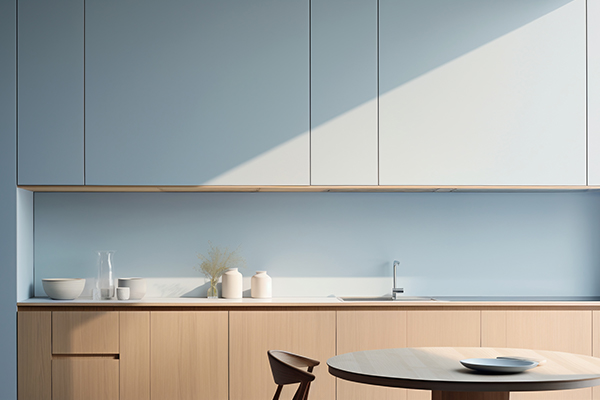
China Melamine Decorative High Pressure Laminates
The early morning sun shines through the kitchen gauze window, falling on the off-white cabinet doors, the fingertips slide over the smooth surface.
-
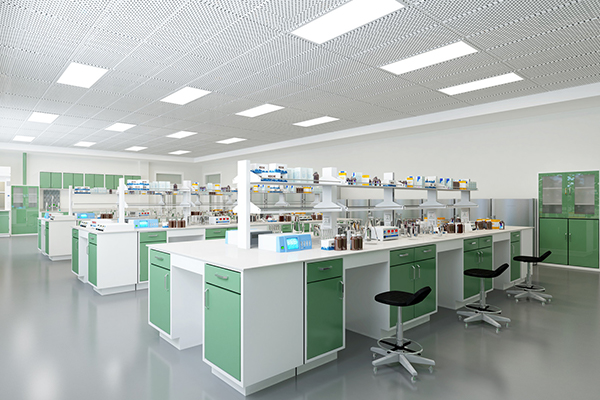
Antibacterial Fireproof Board
In the corner of the hospital's disinfected examination room, next to the laboratory's precise instruments, a seemingly ordinary decorative panel is silently fulfilling its mission.
-
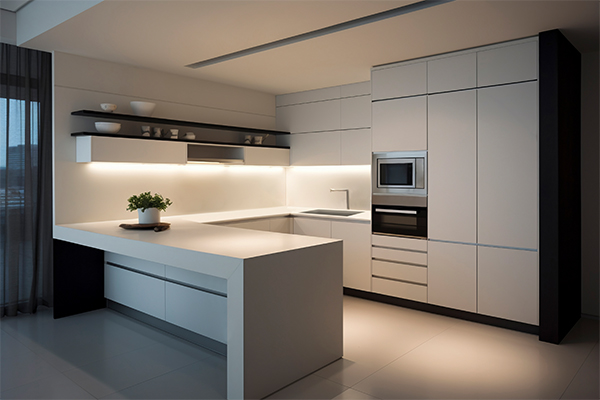
The Anti-Finger Print High Pressure Laminate Cabinet
When the smoke and fire of frying and cooking fill the kitchen, and when the fingertips frequently touch the cabinet door panels, the anti-finger print high pressure laminate cabinet is shielded by technology.
-
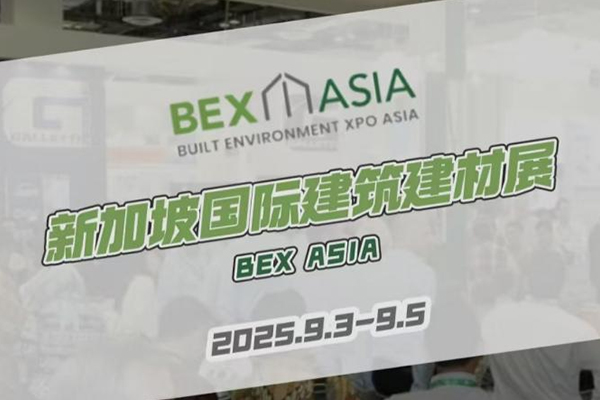
Singapore EB Exhibition 2025
Changzhou Giovannni mainly produces decorative panels. The company has strong processing capabilities, including a panel production and processing center, electronic cutting saw, 3 CNC machining centers, sliding table saw, and drilling machine.
-
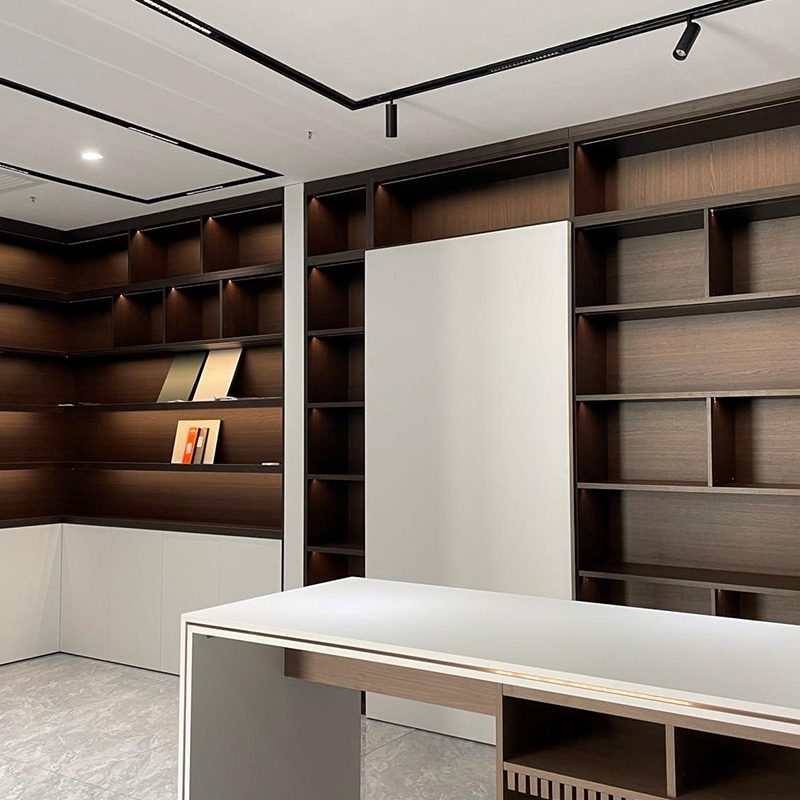
Giovanni New Materials Strengthens Its Position Among Leading High Pressure Laminate Manufacturers
As global demand for durable, stylish, and eco-conscious surface materials continues to grow, Giovanni New Materials is emerging as one of the most influential High Pressure Laminate (HPL) manufacturers in the industry. With a strong focus on advanced production technology, sustainable practices, and design innovation, the company is gaining recognition across furniture, interior design, and architectural markets.
-
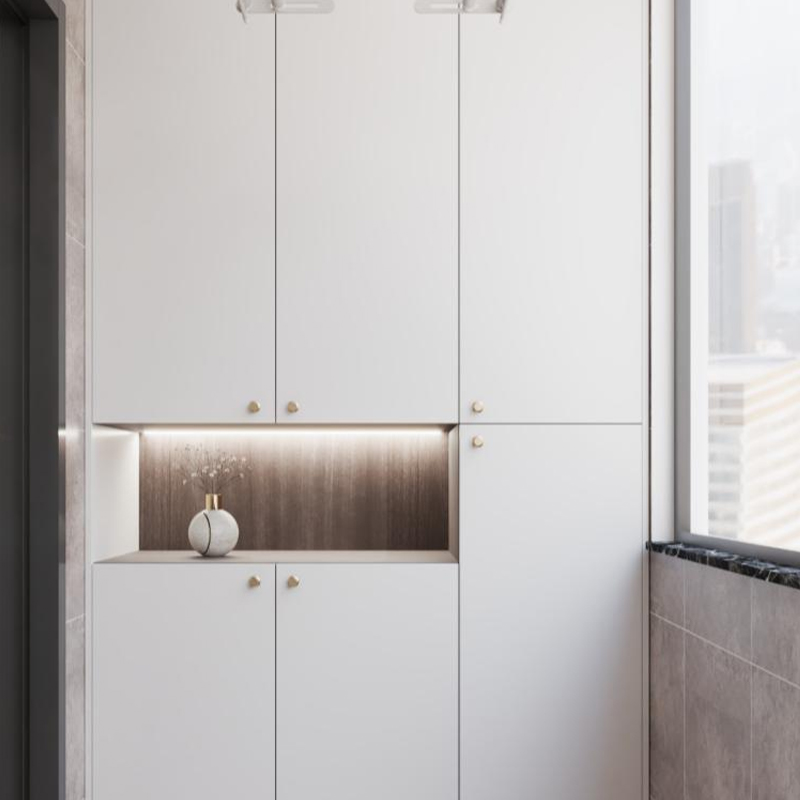
High-Gloss EB Panel Gains Widespread Adoption Across Interior, Furniture, and Commercial Design Sectors
As consumer expectations for premium, durable, and environmentally responsible materials continue to rise, the High-Gloss EB Panel is emerging as a standout choice in modern design applications. Its mirror-like finish, superior surface hardness, and long-lasting clarity—enabled by advanced Electron Beam (EB) curing technology—are driving rapid adoption across residential, commercial, and high-end retail environments.
-
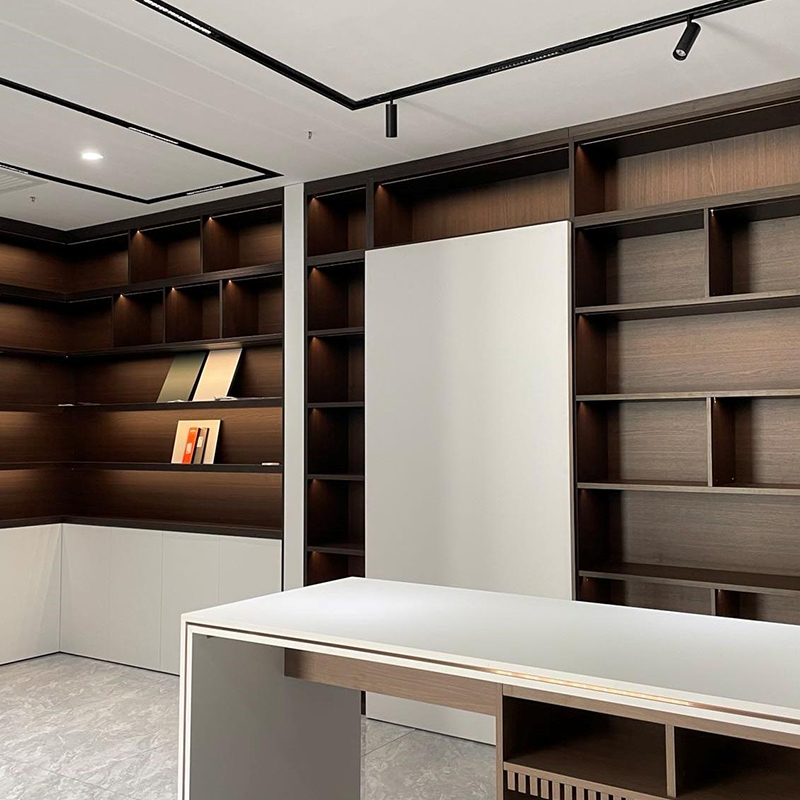
EB Matte AFP Decorative Board Finds Expanding Applications Across Modern Interior and Commercial Design
The market for high-performance decorative surfaces is rapidly evolving, and the EB Matte AFP Decorative Board is emerging as one of the most versatile materials in contemporary design. With its advanced anti-fingerprint (AFP) properties, soft-touch matte texture, and enhanced durability, the board is now being widely adopted in residential, commercial, and public spaces seeking both aesthetic appeal and long-term performance.
-
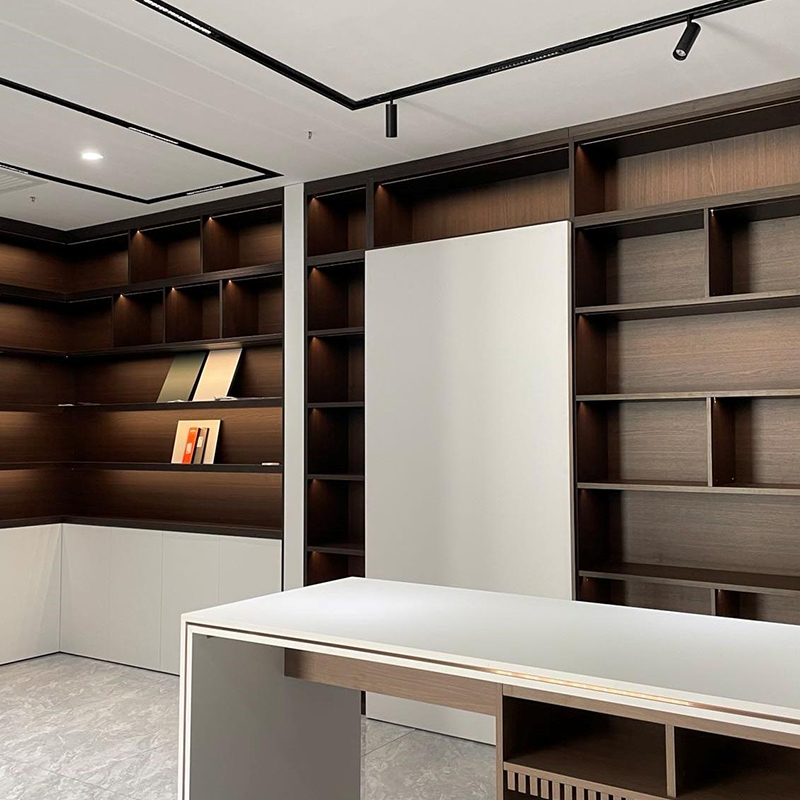
EB Matte AFP Decorative Board Gains Market Attention as Demand for Durable, Low-Glare Surfaces Grows
In response to the rising demand for premium, eco-friendly decorative materials, the EB Matte AFP Decorative Board is capturing industry interest with its refined appearance, advanced surface durability, and sustainable production process. Leveraging cutting-edge EB Curing technology, the product is emerging as a preferred choice for modern interior design, furniture manufacturing, and high-traffic commercial environments.
-
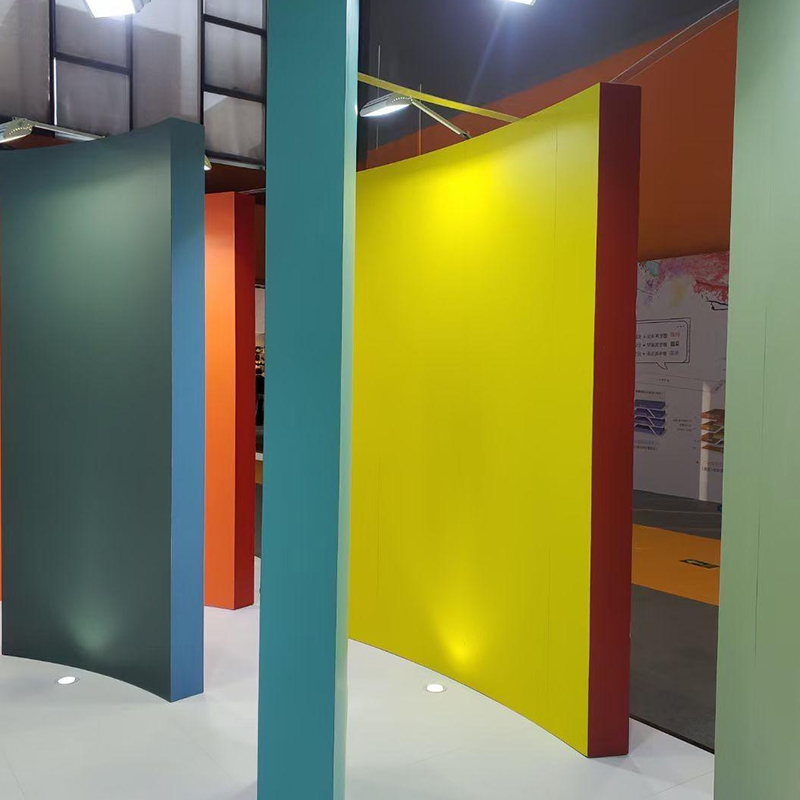
EB High-Gloss CFP Board Gains Momentum as Eco-Efficient Surfaces Rise in Demand
As global industries accelerate the shift toward greener, more efficient materials, the EB High-Gloss CFP Board is emerging as a standout solution in the decorative panels and surface-finishing market. Powered by advanced EB Curing technology, the product is drawing widespread attention from manufacturers, designers, and furniture brands seeking high-performance, environmentally responsible materials.
-
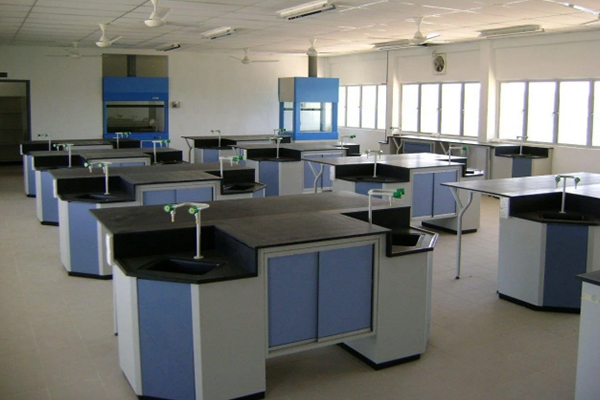
Changzhou Giovannni Mainly Produces Decorative Panels
Changzhou Giovannni mainly produces decorative panels. The company has strong processing capabilities, including a panel production and processing center, electronic cutting saw, 3 CNC machining centers, sliding table saw, and drilling machine.
-
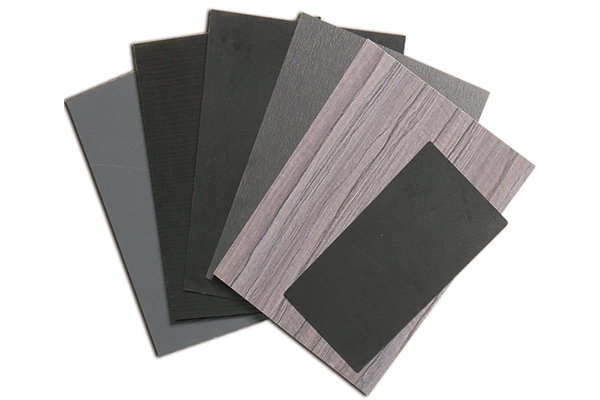
Fingerprint-Resistant Fireproof Board & Melamine Board High-Voltage Decorative Board
At a recent international building materials exhibition, a board material that combines safety and aesthetics attracted attention. Its fingerprint-resistant and fireproof board uses a nano-level anti-fingerprint coating, effectively resisting fingerprints and oil residue.
-
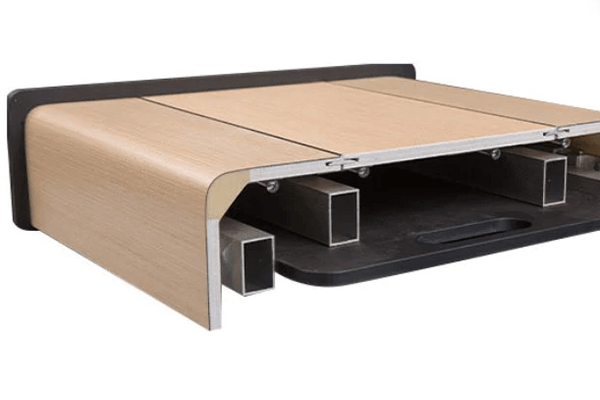
Anti-Bacteria Board: The Guardian Of Healthy Space
In today's era when people pay more and more attention to health, environmental protection and sustainable development, Anti-bacteria board is rapidly becoming a new favorite in many industries.
-
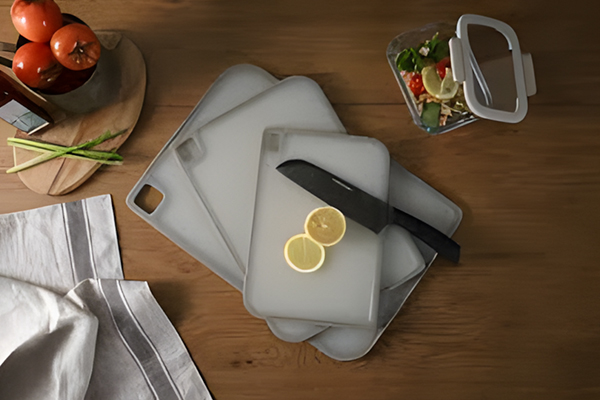
Anti-Bacteria Board: Invisible Guards Protecting Healthy Spaces
In today's society, people's attention to health and hygiene has reached an unprecedented level, especially in places with extremely high requirements for sanitary conditions such as hospitals, schools, and food processing plants.
-
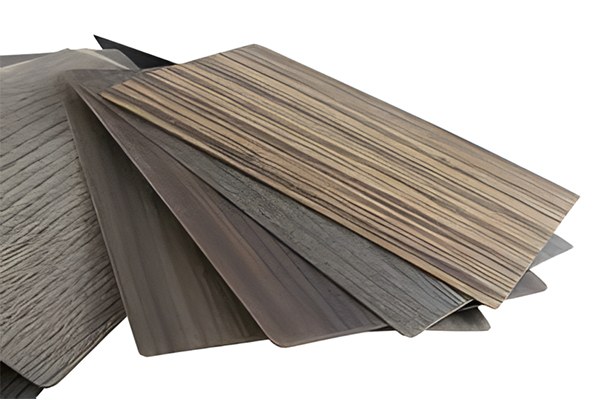
Anti-Bacteria Board: Innovative Technology To Protect Healthy Life
In today's society, as people's pursuit of a healthy lifestyle is increasing, antibacterial technology has gradually become an important part of daily life.
-
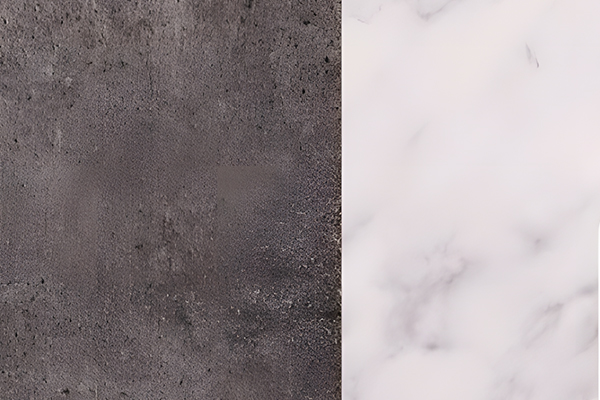
Anti-Bacteria Board: A Solid Barrier For Innovative Technology To Protect Healthy Life
In today's society, people's health awareness is increasing, and antibacterial and mildew-proof technology has gradually penetrated into all aspects of our lives.
-
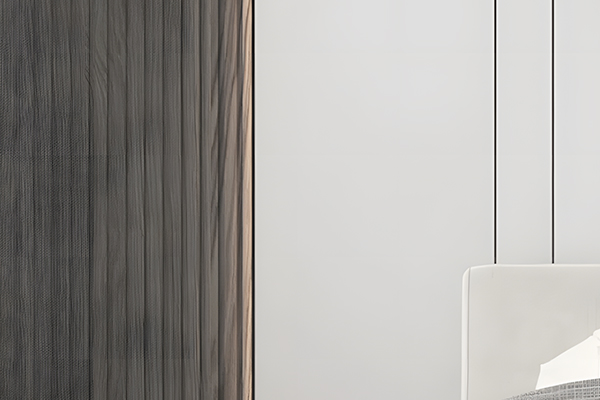
Aluminum Sandwich Boards: Light And Tough, Why Not Become The Shining Star In Material Science?
In the vast starry sky of material science, aluminum sandwich boards are like a bright star, shining in many fields with their unique charm.
-
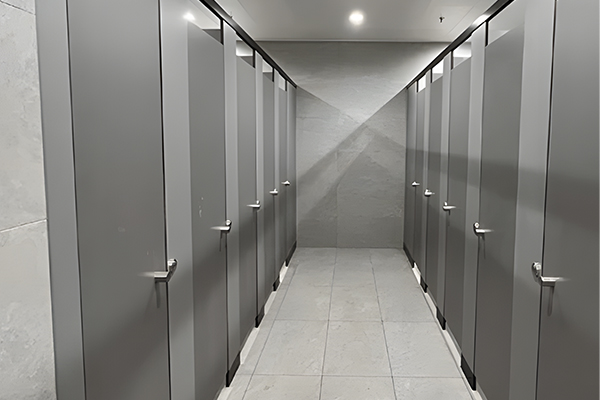
Aluminum Sandwich Board: Innovation and Versatility in Modern Construction
In the realm of modern construction materials, aluminum sandwich board stands out for its unique blend of strength, lightweight properties, and versatility.
-
Aluminum Sandwich Board: A Versatile and Innovative Material in Modern Construction
In the realm of modern construction and engineering, materials play a pivotal role in determining the durability, efficiency, and aesthetic appeal of structures.
-
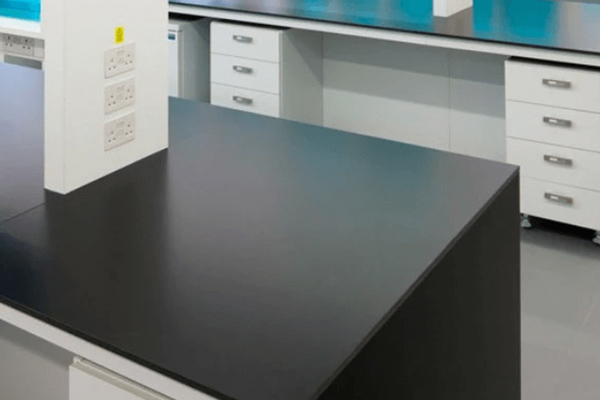
Aluminum Sandwich Board: A Versatile and High-Performance Material
Aluminum sandwich board, as a sophisticated construction material, has gained immense popularity in various industrial and architectural applications due to its unique blend of properties and versatility.
-
Aluminum Sandwich Board: A New Favorite in Architecture for Lightweight, High Strength, and Aesthetics
Aluminum Sandwich Board, a rising star in fields like architecture, advertising, and transportation, is reshaping our understanding of materials with its unique appeal and exceptional performance.
-

A New Era Of Building Safety, What Is The Charm Of Fire Retardant Board Technology?
In the vast ocean of building materials, fire retardant board, with its unique technological charm, is like a firm guardian, silently guarding the safety and well-being of mankind.




















