

Excellent Durability High Cost Performance Compact Laminate
Compact Laminate is a high-performance composite material made by high-temperature and high-pressure polymerization of multiple layers of cowhide paper and thermos resin, which has excellent physical properties and a wide range of application scenarios.
Product Description
Compact Laminate is a high-performance composite material made by high-temperature and high-pressure polymerization of multiple layers of cowhide paper and thermos resin, which has excellent physical properties and a wide range of application scenarios.
Misconceptions and Science Popularization Section
Misunderstanding: Compact Laminate must be edge-sealed when cut.
Correction: Solid core with a transparent color throughout, cut surfaces are the same color. Edge sealing is not required for regular indoor use; only in shower areas that are frequently exposed to water should waterproof edge sealing be added for double protection.
Misunderstanding: Thinner boards are cheaper and offer better value.
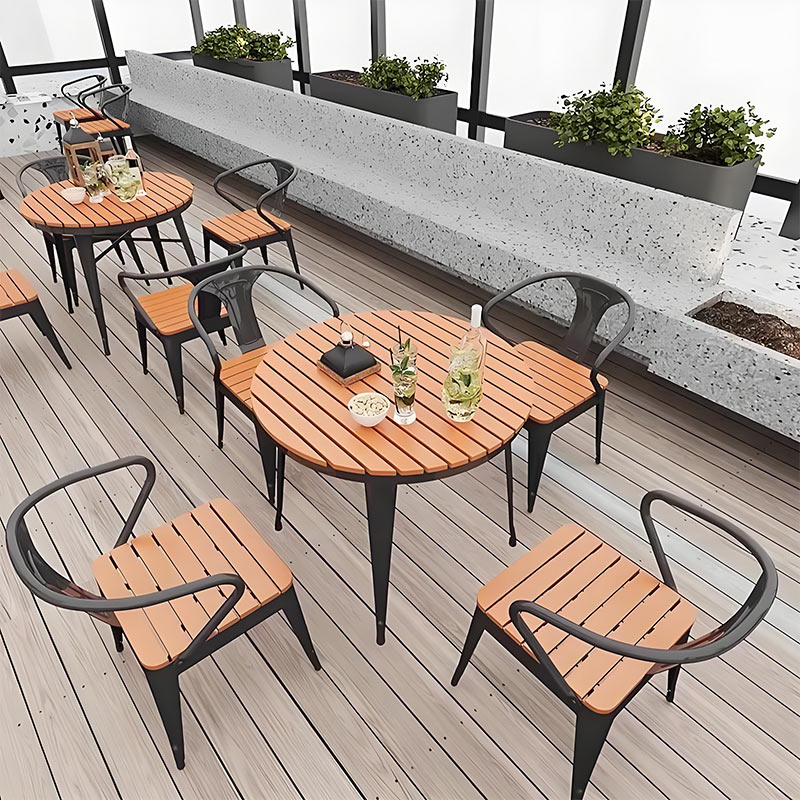
Correction: Thinner boards (below 10mm) are only suitable for partitions; for tabletops, a thickness of 12mm or more is recommended, with 16mm suitable for heavy-duty multi-person tabletops. Thinner boards are prone to bending and deformation.
Misunderstanding: Compact Laminate is the same as regular HPL veneer.
Correction: Regular thin HPL requires a substrate, and edge sealing will peel and delaminate when wet; Compact Laminate has a solid core, independent load-bearing capacity, and double the moisture resistance.
Storage, Transport & Machining Tips
Storage: Stack flat; avoid storing individual sheets upright and leaning for extended periods, as thin sheets are prone to warping. Keep the warehouse dry and well-ventilated, and do not store materials outdoors where they might be exposed to rain.
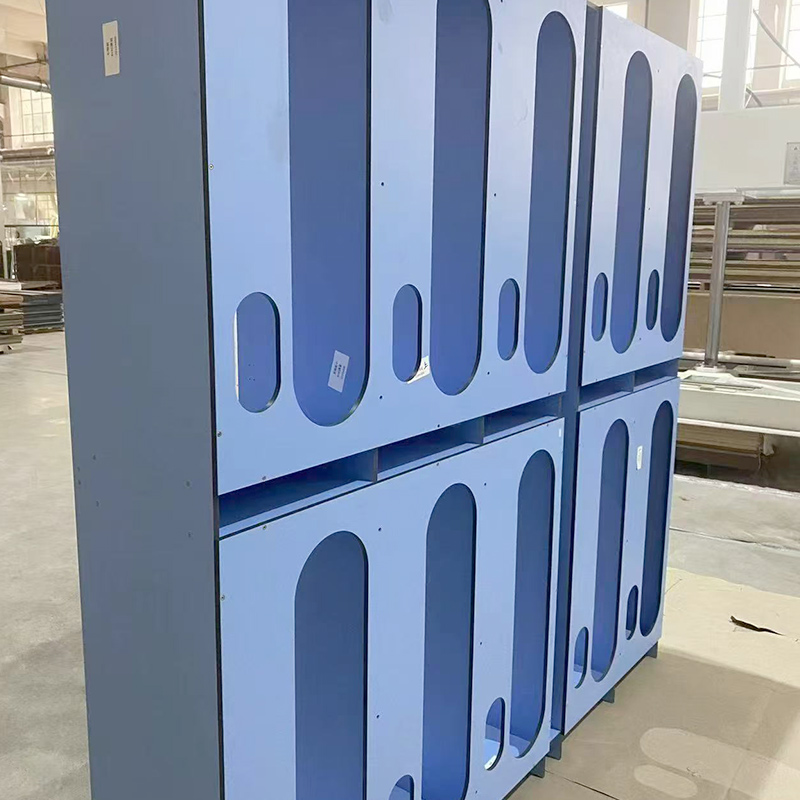
Drilling: The solid board is highly hard, so a carbide drill bit must be used; using an impact drill to force a hole is strictly prohibited.
Transport Protection: The panel surfaces are film-coated, paper is placed between the panels, and edge protectors are applied to prevent bumps or scratches to the finish during transport.