
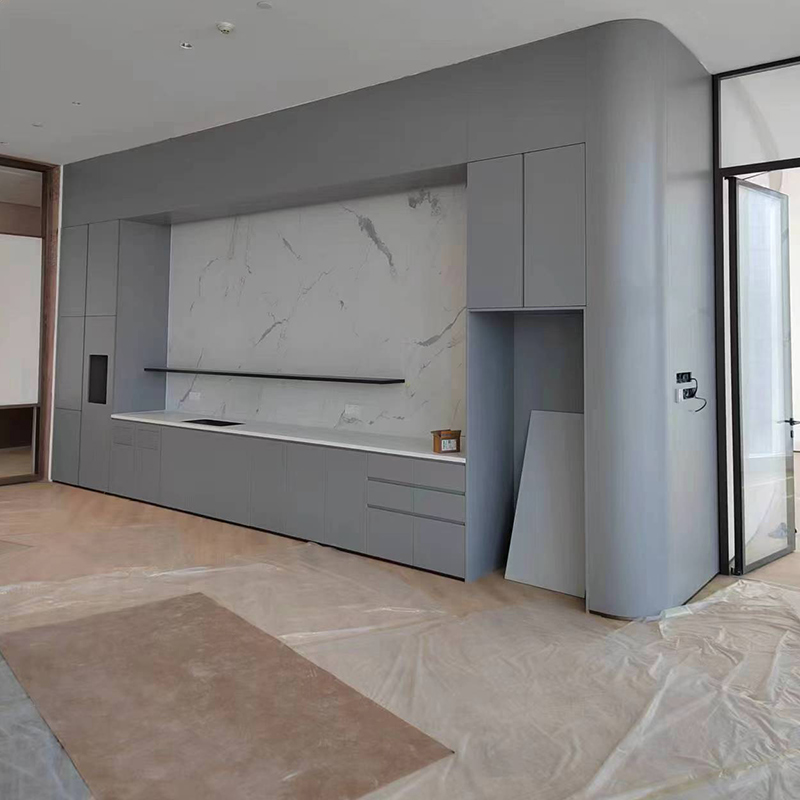
EB-Cured Panels vs Traditional UV Panels: Surface Performance and Efficiency Compared
2026-03-06
As architectural surfaces evolve to meet higher durability and sustainability demands, advanced finishing technologies are gaining global attention. Among them, Eb-Cured Decorative Wall Panels From China are emerging as a next-generation solution for commercial interiors, furniture systems, and high-traffic public environments. Manufacturers such as Changzhou Giovanni New Materials Technology Co., Ltd. are actively exploring and integrating advanced surface technologies to enhance the performance of high-pressure decorative boards. With the growing need for longer-lasting, low-maintenance, and environmentally responsible materials, industry buyers are increasingly comparing EB (electron beam) curing with traditional UV curing methods.
Founded in 2009 with a registered capital of 20.58 million yuan, Changzhou Giovanni is a comprehensive enterprise integrating new material R&D, production, sales, and technical solutions in Jiangsu Province. After years of development, the company operates four fireproof board production lines supported by around 150 employees and 30 technicians, including nearly eight senior technical experts. Its core offerings—high-grade MAG phenolic resin boards, antibacterial boards, and chemical-resistant physical and chemical panels—are widely used in interior decoration, furniture cabinets, bathroom partitions, and laboratory worktops. Known for heat resistance, wear resistance, fireproof performance, moisture resistance, and easy-clean properties, the company’s products are exported to Southeast Asia, the Middle East, Africa, Europe, and the United States.
Against this background, understanding the differences between EB-cured panels and traditional UV panels is becoming essential for architects, distributors, and project owners.

Understanding EB Curing vs. UV Curing
Both EB and UV technologies are radiation-based curing methods used to harden surface coatings on decorative panels. However, their curing mechanisms and resulting performance characteristics differ significantly.
UV Curing (Ultraviolet):
Uses photoinitiators activated by UV lamps
Requires specific coating chemistry
Typically involves multiple passes
Widely used in conventional decorative panel finishing
EB Curing (Electron Beam):
Uses high-energy electron beams
Does not require photoinitiators
Enables deeper and more uniform curing
Produces highly cross-linked surface structures
For manufacturers focused on high-performance decorative boards, EB technology represents a notable advancement in surface engineering.

Surface Performance Comparison
1. Scratch and Wear Resistance
One of the most visible differences between EB-cured and UV-cured panels is surface hardness.
EB-cured coatings form a denser cross-linked molecular structure, which typically results in:
Higher scratch resistance
Improved abrasion resistance
Better long-term surface stability
UV panels still perform well for standard residential applications, but in high-traffic commercial spaces—such as hospitals, airports, and schools—EB-cured surfaces generally maintain their appearance longer.
Changzhou Giovanni’s focus on high-pressure decorative fireproof boards aligns well with these performance demands, particularly in applications where durability is critical.
2. Chemical and Stain Resistance
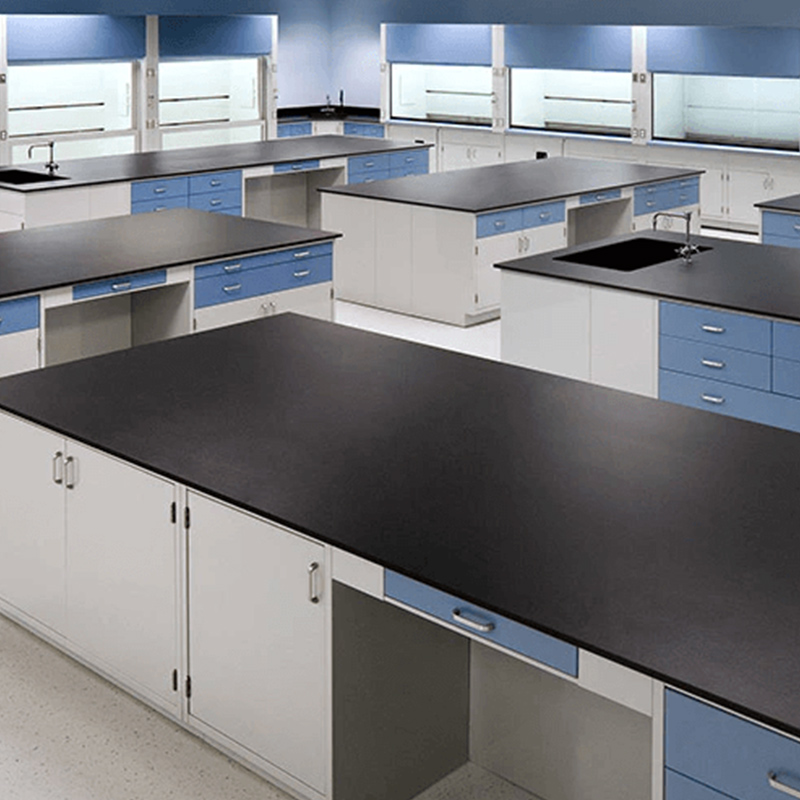
In environments like laboratories, healthcare facilities, and food-processing areas, chemical resistance is a key specification.
EB-Cured Panels:
Strong resistance to solvents and cleaners
Lower risk of surface degradation
Better stain repellency
Traditional UV Panels:
Adequate for light-duty cleaning
May show gradual degradation under aggressive chemicals
Because Changzhou Giovanni already produces chemical-resistant physical and chemical boards, the integration of advanced curing technologies further strengthens product performance in demanding environments.
3. Surface Smoothness and Aesthetic Stability
Modern interior design increasingly demands ultra-matte, fingerprint-resistant, and visually consistent surfaces.
EB curing offers several aesthetic advantages:
More uniform curing across the panel
Reduced risk of orange peel effect
Better matte surface control
Improved anti-fingerprint potential
UV panels can achieve attractive finishes but may require tighter process control to maintain consistency, especially across large production batches.
For manufacturers serving global commercial projects, visual uniformity is a critical competitive factor.
Production Efficiency Comparison
4. Process Speed and Throughput
UV curing systems are widely adopted because they are relatively simple and cost-effective to install. However, EB curing can offer efficiency benefits at scale.
UV Curing:
Multiple lamp stations may be required
Photoinitiator costs add up
Maintenance of UV lamps is ongoing
EB Curing:
Instant deep curing in a single pass
No photoinitiators required
Reduced consumable costs over time
For large-volume panel manufacturers, EB technology can improve line efficiency and reduce long-term operating costs, although the initial equipment investment is higher.
Changzhou Giovanni’s multi-line production capability positions it well to adopt and scale advanced finishing technologies as market demand evolves.
5. Environmental and Sustainability Impact
Sustainability is becoming a decisive factor in material selection, especially for green building projects.
EB curing offers environmental advantages:
Lower volatile organic compound (VOC) emissions
No photoinitiator residues
Higher energy efficiency in some applications
Cleaner curing process
UV curing is also considered environmentally friendly compared to solvent-based coatings, but EB technology typically pushes performance further in ultra-low-emission applications.
As a regular manufacturer of environmental protection and fireproof materials, Changzhou Giovanni continues aligning its production philosophy with global sustainability expectations.
Application Suitability: Which Technology Fits Best?
EB-Cured Panels Are Ideal For:
High-traffic commercial interiors
Healthcare and laboratory environments
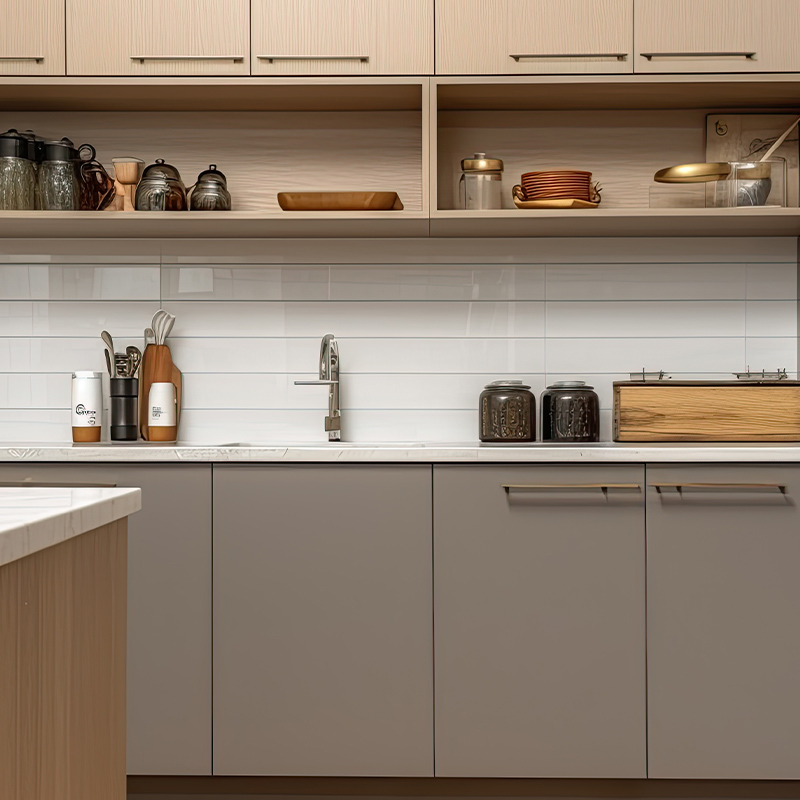
Premium furniture and cabinetry
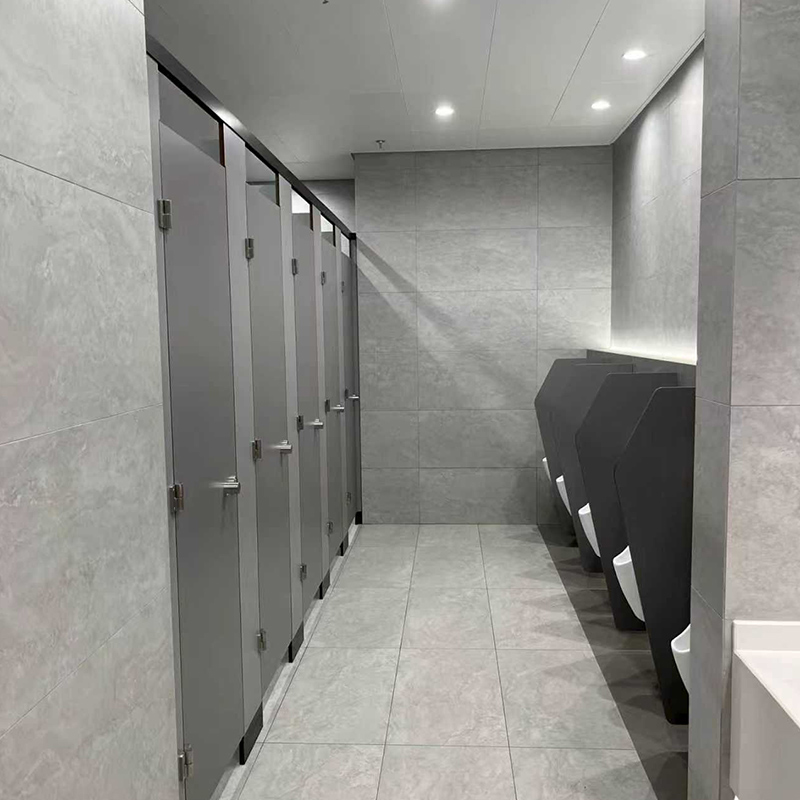
Public transportation facilities
Projects requiring ultra-matte finishes
Traditional UV Panels Remain Suitable For:
Standard residential furniture
Cost-sensitive decorative projects
Medium-duty interior applications
Markets where EB infrastructure is limited
In practice, many manufacturers—including forward-looking Chinese producers—maintain flexible finishing strategies to serve different market tiers.
Changzhou Giovanni’s Competitive Position
As global demand shifts toward higher-performance decorative materials, Changzhou Giovanni continues strengthening its capabilities through:
Four dedicated fireproof board production lines
A skilled technical team including senior specialists
Strong R&D in phenolic resin and antibacterial boards
Proven export experience across multiple continents
Reliable quality recognized by domestic and international customers
The company’s boards are widely appreciated for their heat resistance, wear resistance, pollution resistance, pressure resistance, fireproof performance, moisture resistance, and easy-clean characteristics—features that align closely with the performance advantages associated with advanced curing technologies.
Looking Forward
The comparison between EB-cured and UV-cured decorative panels reflects a broader transformation in the global surfacing industry. As commercial environments demand longer service life, lower maintenance, and improved sustainability, EB technology is expected to gain increasing adoption—particularly in high-end and heavy-duty applications.
With its established manufacturing foundation and ongoing technical development, Changzhou Giovanni New Materials Technology Co., Ltd. is well positioned to support international buyers seeking next-generation decorative panel solutions.
For more information, visit: https://www.czjyhpl.com/
RELATED NEWS
-
Application Scenarios Of Ordinary Fireproof Boards
Standard HPL is a widely used flame-retardant decorative surfacing material. Thanks to its flame-retardant properties, scratch resistance, ease of cleaning.
-
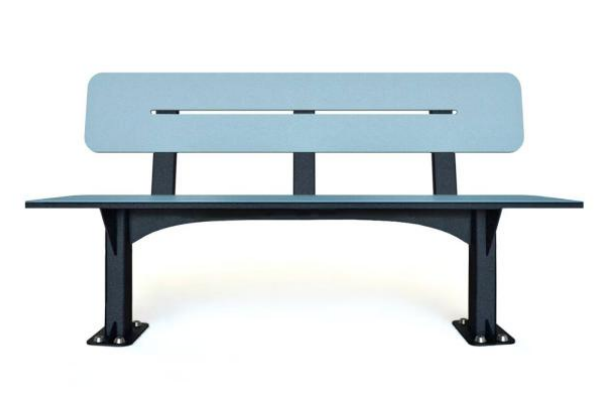
Compact Laminate Outdoor Bench
In urban parks, along pathways, and within public leisure spaces, an attractive yet durable outdoor bench serves as the perfect finishing touch to elevate the quality of the environment.
-
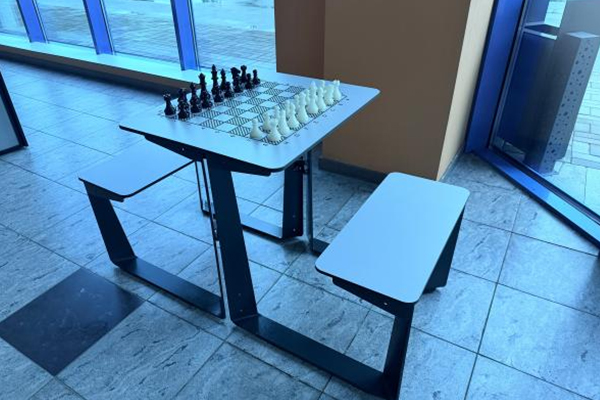
Create A Durable Chess Game Position For Public Leisure Spaces
In a bright, airy public hall, an integrated chess table stands quietly. Its smooth, pristine surface—crafted from Compact Laminate Tabletop—features a standard chessboard pattern.
-
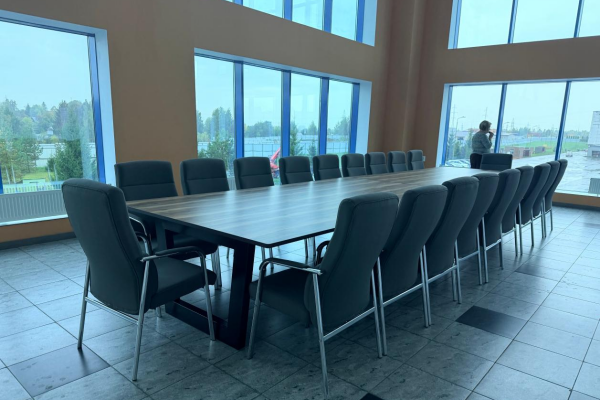
Wood Grain Anti-Fold Board Creates High-End Conference Table
This conference table features a tabletop made of wood-grain compact laminates—a high-performance material specifically engineered for large corporate conference rooms that combines a premium wood-grain aesthetic with exceptional physical durability.
-
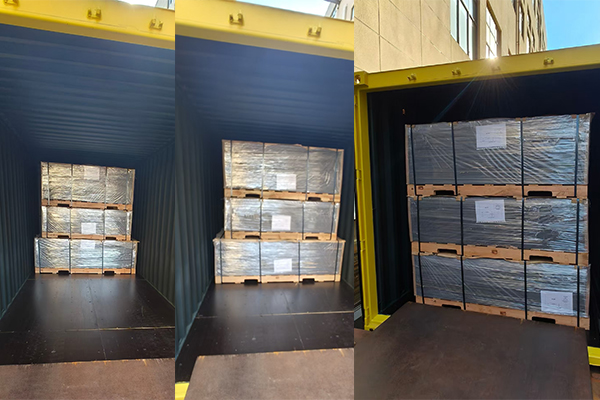
Make Every Effort To Deliver Goods Before The National Day
As the National Day holiday approaches, order fulfillment has entered a critical final push.
-
Electron Beam Curing For A New Finish
EBC electronic beam curing decorative panels, which are treated with a special surface curing technology EBC on the surface of ordinary phenolic resin decorative panels.
-
Hpl High-Voltage Decorative Panels: High Performance Enables Diverse Applications In Construction And Furniture
HPL (High Pressure Laminate) is a high-performance decorative material made by a high-temperature and high-pressure process.
-
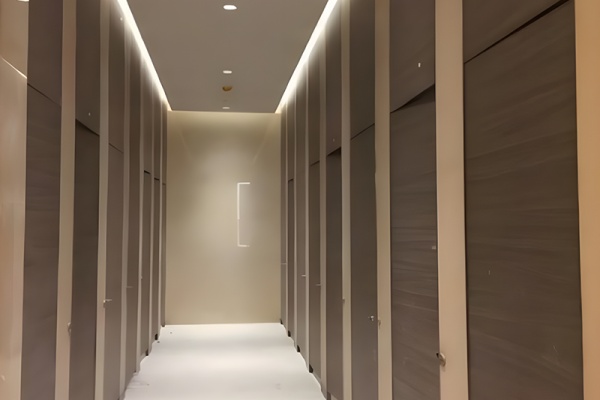
Anti-Fold Board: High-Performance Composite Materials Enable Diverse Application Scenarios
Compact Laminate is a high-performance composite material made by high-temperature and high-pressure polymerization of multiple layers of cowhide paper and thermos resin, which has excellent physical properties and a wide range of application scenarios.
-
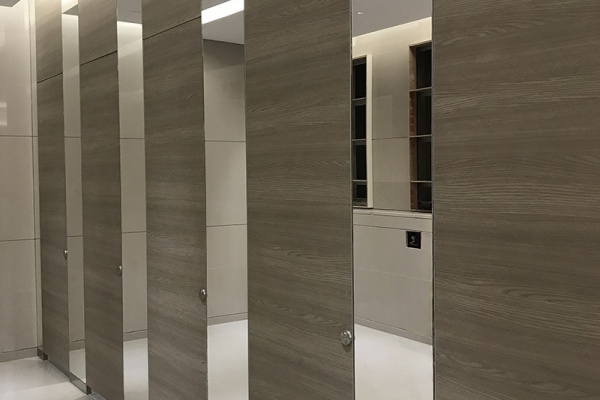
Anti-Fold Plate Has Superior Performance
Compact Laminate is a high-performance composite material made by high-temperature and high-pressure polymerization of multiple layers of cowhide paper and thermos resin, which has excellent physical properties and a wide range of application scenarios.
-
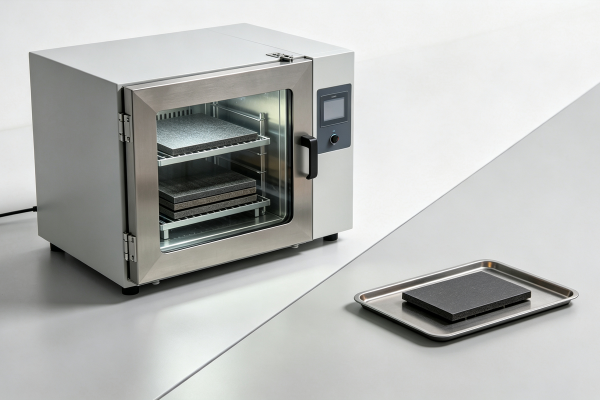
Board Material Inspection
Consistent product performance is the cornerstone of reliability for export engineering projects and bulk sheet orders.
-
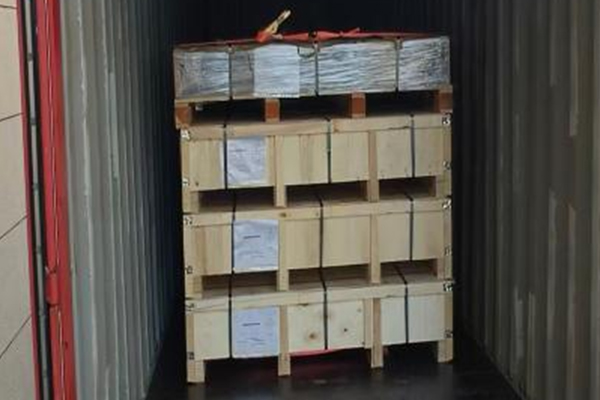
Make Every Effort To Ensure The Smooth Progress Of Shipments
As early autumn arrives in September and the summer heat begins to fade, our factory is accelerating production and shipment schedules, with operations in full swing.
-
Waterproof Fireproof Exterior Grade HPL Cladding Panel
HPL (High Pressure Laminate) is a high-performance decorative material made by a high-temperature and high-pressure process.
-
Advantages of Compact Laminate
Public restrooms in locations such as shopping malls, schools, hospitals, and factory complexes are characterized by high foot traffic, humid environments, and frequent use.
-
First-Generation And Second-Generation Antibacterial Boards
Compact Laminate is commonly used in public interior decoration, commercial partition walls, and laboratory countertops.
-
Compact Laminate Is An Ideal Choice For Hospital, Laboratory And Public Restroom Projects
Compact Laminate is an ideal choice for hospital, laboratory and public restroom projects because of its excellent chemical corrosion resistance and ease of maintenance.
-
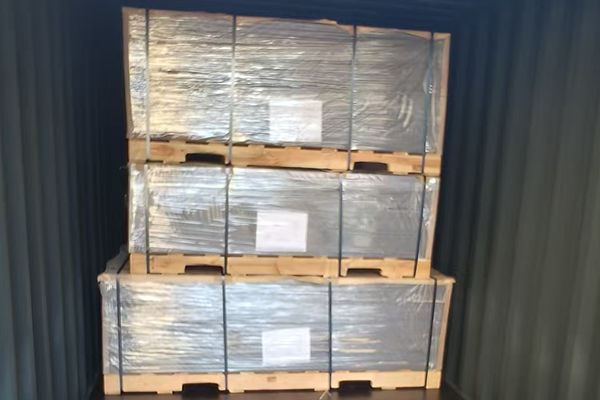
High-Quality Plates Are Shipped Overseas
In late July, our company successfully completed the production and container loading of a full-container order of Compact Laminates, shipping the high-quality products overseas.
-
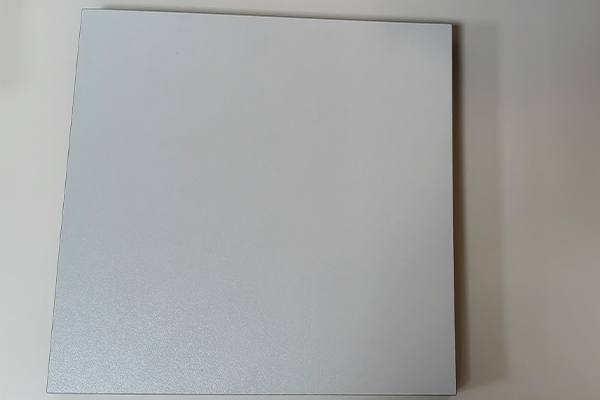
Distinguish The Samples And Choose The Right Plate Quality
Discrepancies regarding color and texture are common issues in foreign trade orders, often stemming from a client's misuse of the reference sample.
-
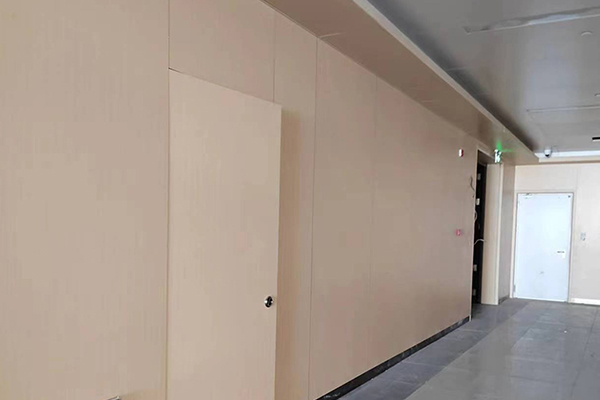
How Small Renovation Contractors Can Efficiently Source Custom Panels
Small-scale renovation contractors frequently face challenges such as fragmented orders, tight schedules, and limited budgets.
-
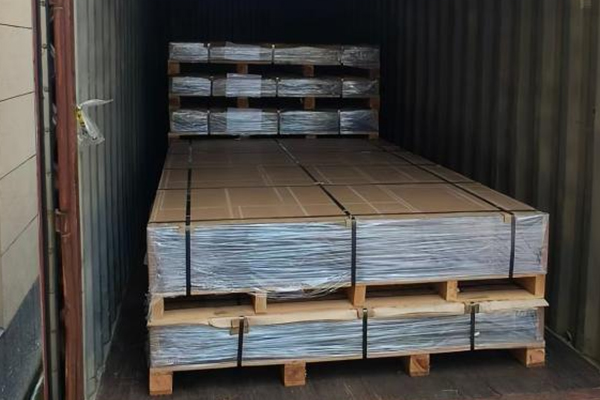
Compact Laminates Successfully Loaded Into Containers And Shipped To Overseas Markets
The Changzhou Giovanni board production base has recently experienced a peak in shipments; a batch of custom-made compact laminates has been successfully loaded into containers.
-
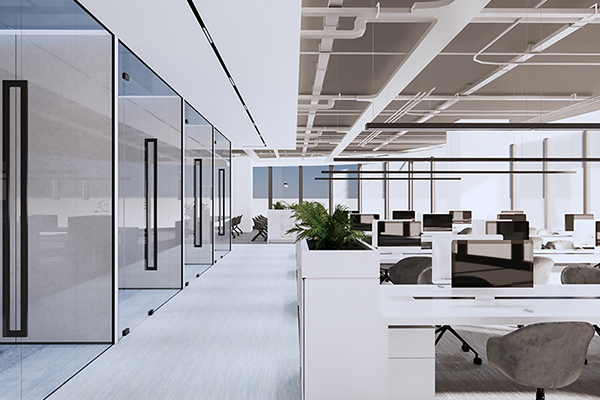
The Quality Of Fireproof Board Is Consistent
Changzhou Giovanni High-quality High Pressure Laminate and Compact Laminate production does not rely on occasional upgrades, but on long-term stable processes and standardized production procedures.
-
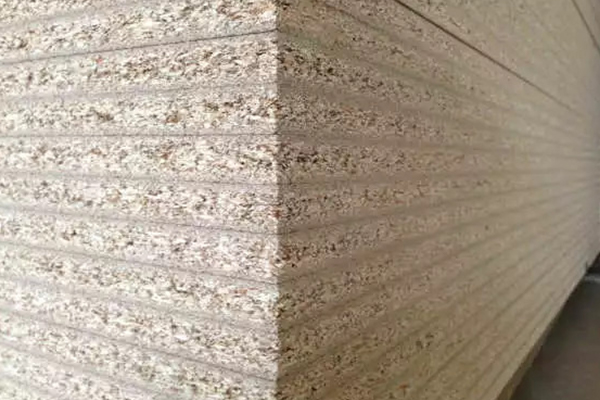
Changzhou Panel Manufacturer Source Manufacturer Compact Laminate
In commercial decoration, custom furniture, and space partitioning, HPL (High-Pressure Laminate), MDF (Medium-Density Fiberboard), and particleboard are widely used.
-
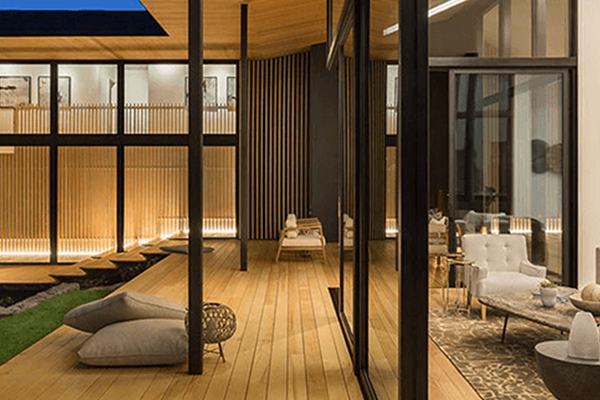
Compact Laminate
In 2026, the Compact Laminate market enters a new phase of steady growth and structural upgrading. China's market size is projected to reach 23.87 billion yuan, with an 8.5% year-on-year growth.
-
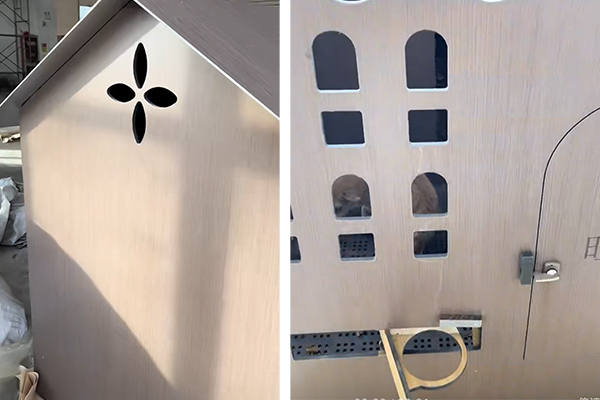
Durable HPL Dog House | Weatherproof & Stylish Pet Home!
Your pup’s dream home is here! Our HPL dog house = tough + trendy + totally low-maintenance!Waterproof & scratch-resistant (no more soggy/scratchy messes!) Sleek modern design that looks great in any yard.
-

2026 Decorative Panel Color and Pattern Trends: Minimalist and Light Luxury Styles Dominate
With the continuous upgrading of aesthetics in commercial decoration, hotel and business spaces, and whole-house customization, the popular colors and patterns of decorative panels in 2026 have undergone a new transformation.
-
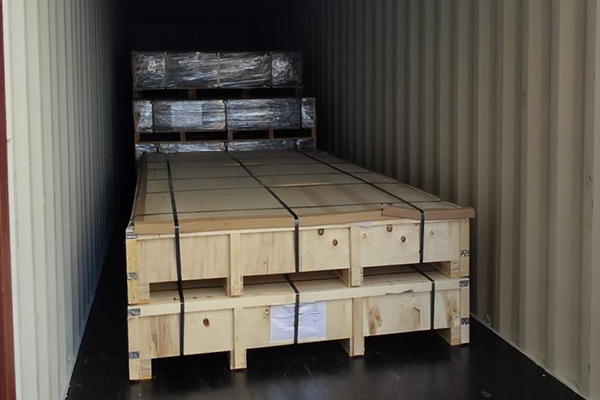
Fully Loaded And Ready To Set Sail
Recently, our warehouse has been bustling with activity. A batch of orders destined for overseas markets(full container shipment) has been successfully processed in strict accordance with international shipping standards.
-
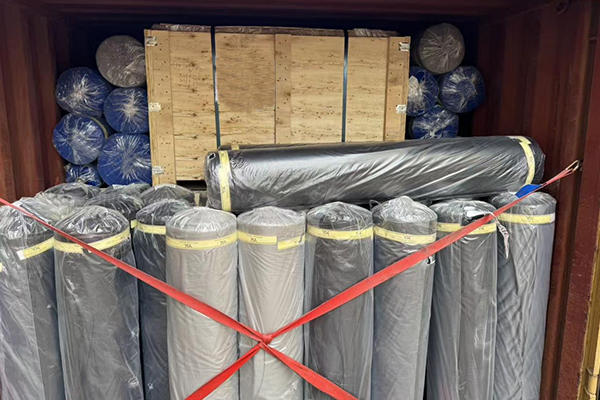
Things About Loading Containers in Our Factory
Daily Container Loading | Professionally packed in export-standard wooden cases, with precise layout to maximize container space. We waste no inch of space and securely reinforce every shipment.
-
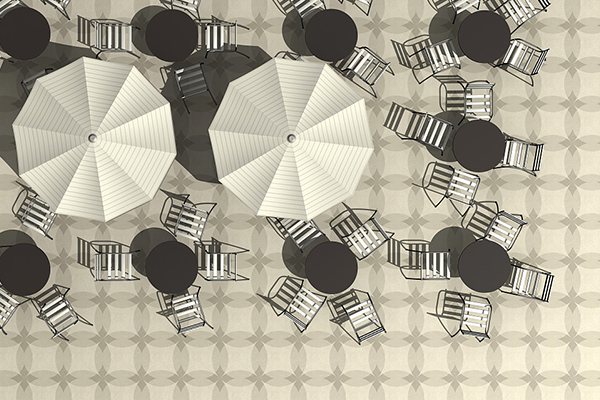
Why Choose Compact Laminate Worktops
Compact worktops is a kind of decorative structural panel made through a special technological treatment.
-
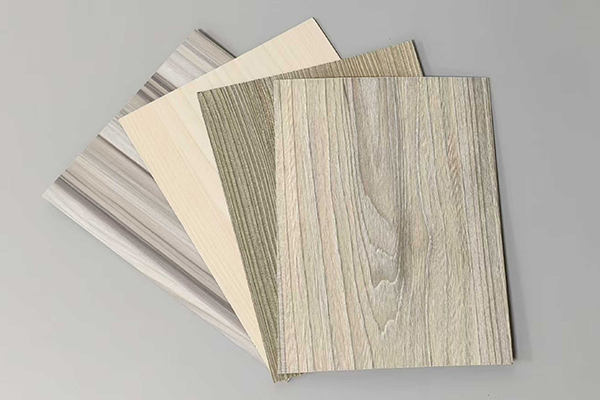
Is It Worth the Investment? High Pressure Laminate Worktops
Our standard laminate worktops come in a range of styles and offer a low-cost way of updating your kitchen. Looking for a traditional real wood finish?
-
Compact Laminate Bathroom Partition
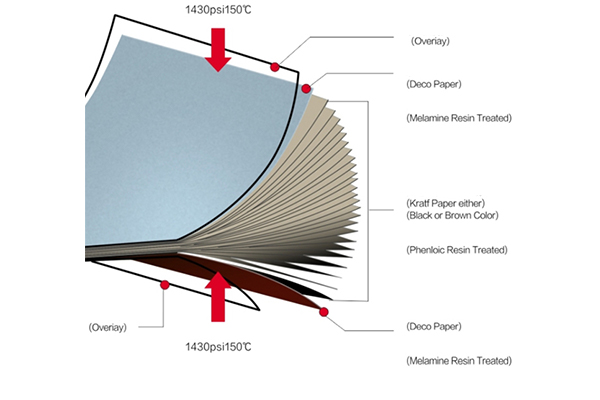
Compact Laminate is a high-performance composite material made by high-temperature and high-pressure polymerization of multiple layers of cowhide paper and thermos resin, which has excellent physical properties and a wide range of application scenarios.
-
How China Became a Major Supplier of Decorative Wall Cladding Panels
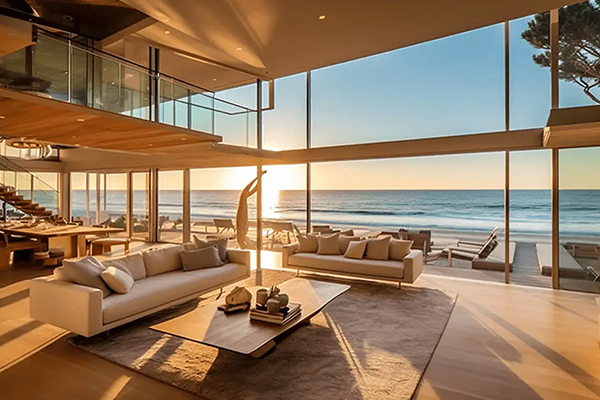
In recent years, the global construction and interior design industries have witnessed a significant shift toward Decorative Wall Cladding Panels Manufactured In China.
-
Fire Performance Certified Wall Cladding Panels Presented at BIG 5 Global and BATIMAT
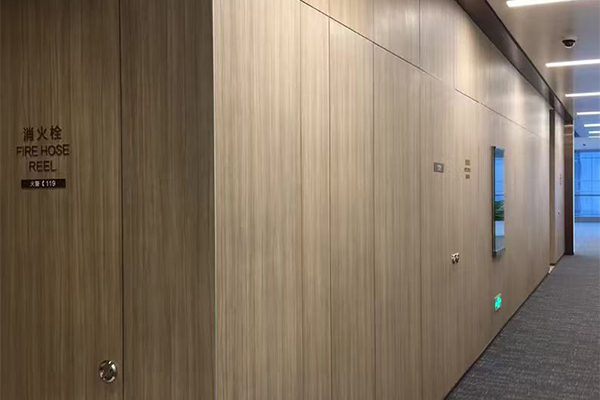
In response to the rising global demand for safer and more durable architectural materials, the spotlight is increasingly turning to Fire Safe Decorative Wall Cladding Panels For Public Buildings.
-
Technical Analysis: Performance Advantages of China-Made Chemical Resistant Laminate Cabinets
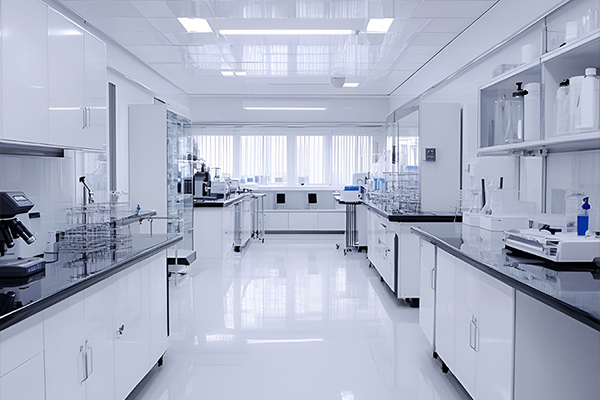
In today’s fast-evolving laboratory and industrial furniture market, durability, safety, and compliance have become critical purchasing criteria for global buyers.
-
Market Analysis: Why Marble Effect Laminates from China Are Gaining Global Popularity
The global interior materials market is undergoing a significant shift as architects, developers, and furniture manufacturers increasingly seek surfaces that combine luxury aesthetics with practical performance.
-
How to Choose a Reliable High Pressure Decorative Laminates Supplier in China
As global construction and furniture markets continue to expand, sourcing high-performance surfacing materials has become a strategic priority for distributors, contractors, and OEM buyers.
-
Buyer’s Guide to Easy-Clean Anti-Fingerprint HPL Sheets for Modern Cabinetry Applications
As cabinetry design trends move toward matte finishes, minimalist aesthetics, and low-maintenance performance, surface material selection has become a critical decision for furniture manufacturers and project developers.
-
Anti-Fingerprint HPL Sheets vs Standard Cabinet Surfaces: Maintenance and Durability Compared
In the evolving world of commercial and residential cabinetry, surface performance is becoming just as important as visual appeal.
-
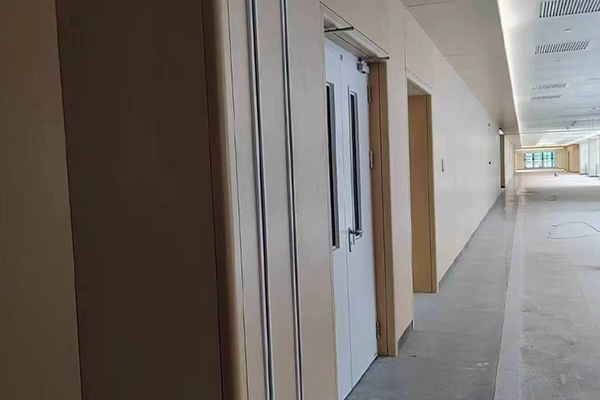
China-Manufactured HPL Panels vs Overseas Alternatives: Cost, Quality, and Compliance Compared
As global demand for high-performance interior materials continues to rise, architects, contractors, and procurement managers are reassessing sourcing strategies for decorative fireproof boards.
-
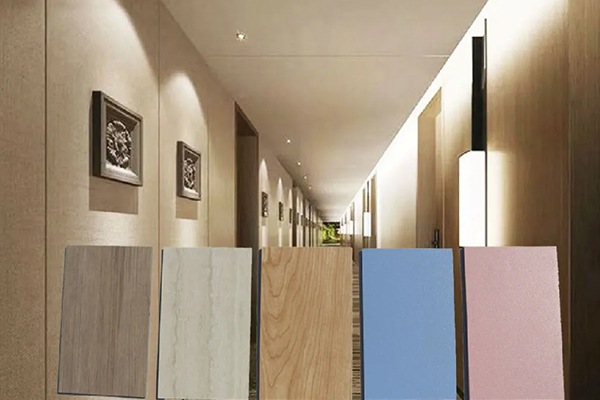
Durable High Pressure Laminate vs Traditional Wall Finishes: Which Performs Better in Commercial Interiors?
In today’s fast-evolving commercial design landscape, durability, hygiene, and long-term value have become decisive factors for architects and project owners.
-
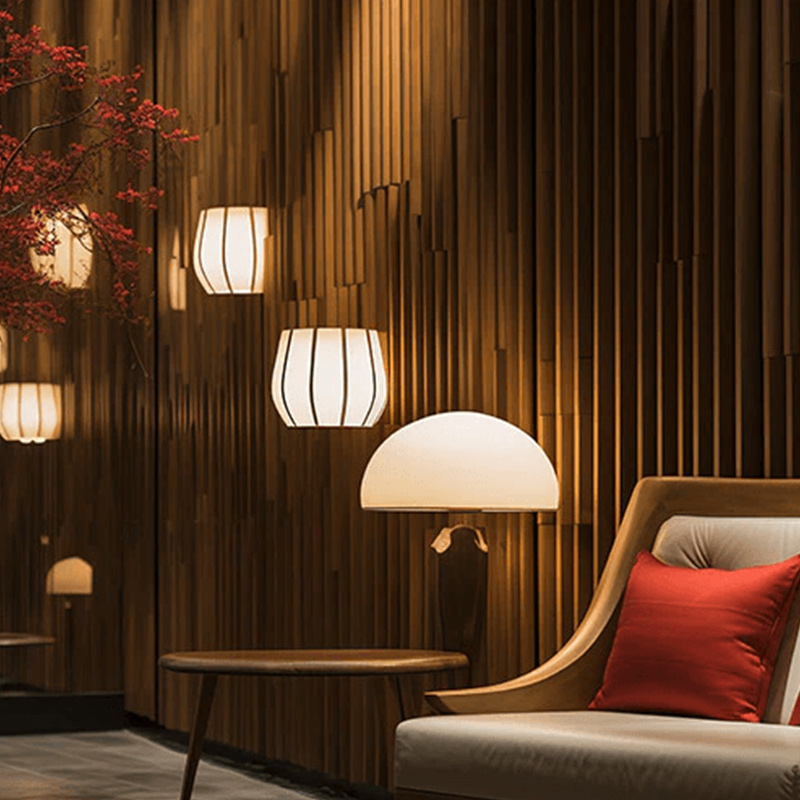
Applications of Chemical Resistant Board Across Modern Industries
As laboratories, healthcare facilities, and industrial plants face increasingly complex operational demands, material selection has become a critical factor in ensuring safety and durability. Chemical Resistant Board has emerged as a reliable solution in environments where exposure to corrosive substances, moisture, and physical stress is routine. Its versatility and engineered performance make it suitable for a wide range of professional applications.
-
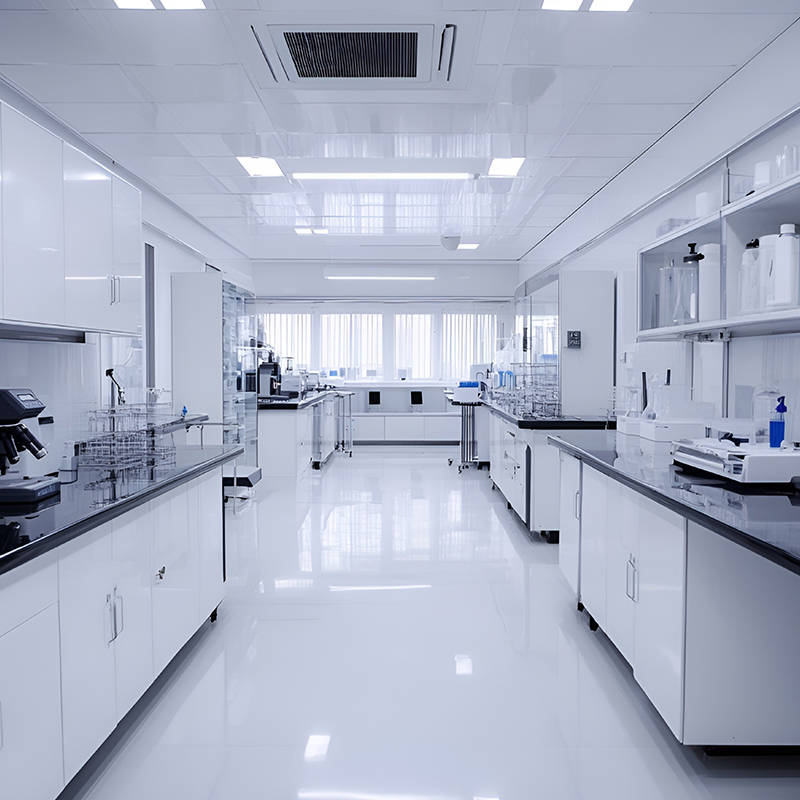
How Does Chemical Resistant Board Resist Acids, Alkalis, and Solvents in Lab Environments
In modern laboratories—ranging from university research centers to pharmaceutical production facilities—surface materials must withstand constant exposure to aggressive chemicals. Chemical resistant board has become a preferred solution for lab countertops, wall panels, and workstations because it offers long-term durability under harsh conditions. But how exactly does it resist acids, alkalis, and solvents in laboratory environments?
-
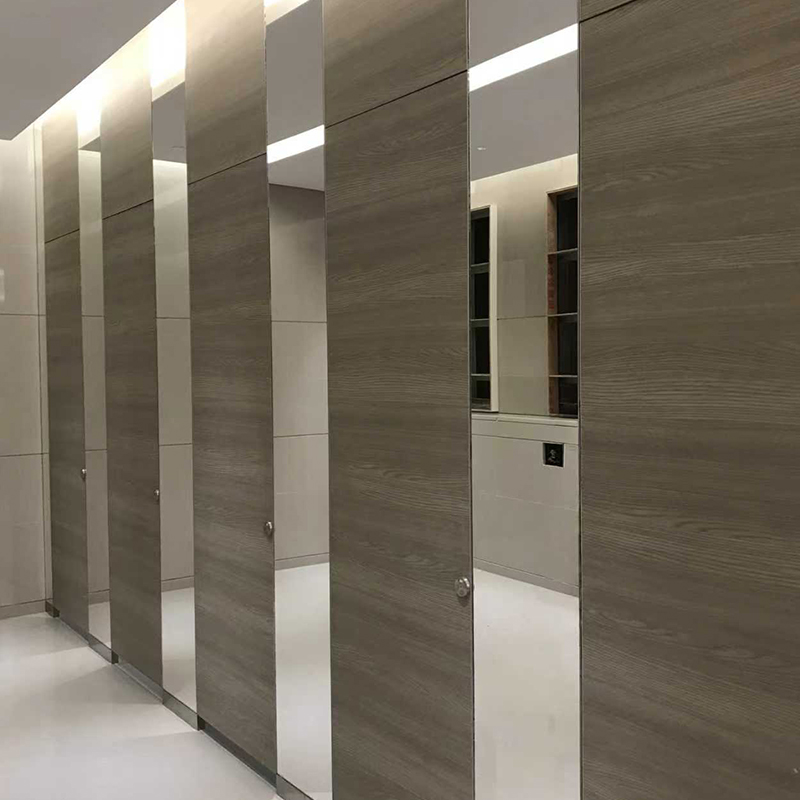
Resilient Infrastructure: The Rise of High-Performance Compact Laminate in Specialized Environments
The global demand for high-performance building materials has shifted from mere aesthetics to "extreme functionality." In the current industrial landscape, standard surfaces often fail to meet the rigorous demands of healthcare, research, and modern architecture. This gap is being filled by advanced Compact Laminate solutions, which have evolved into a cornerstone for high-traffic and high-exposure environments.
-
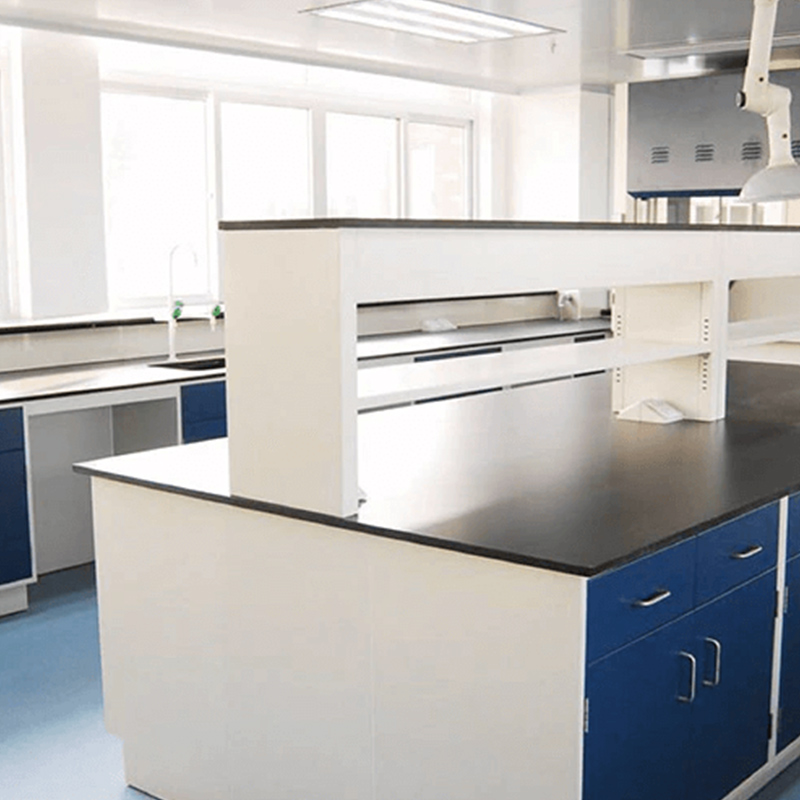
The Compact Revolution: How Compact Laminate is Redefining Modern Architecture and Interior Design
In the rapidly evolving landscape of construction and interior design, "durability" and "sustainability" are no longer just buzzwords—they are the pillars of modern development. Standing at the forefront of this material revolution is Compact Laminate, a high-pressure structural laminate that is increasingly replacing traditional materials like stone, solid wood, and standard HPL (High-Pressure Laminate) in both commercial and residential sectors.
-
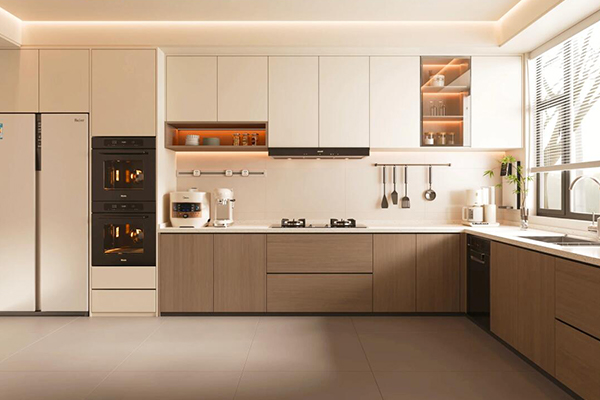
Advantages Between Three Types Of Decorative Panels
In the pursuit of personalized and high-quality decoration trend, woodgrain high pressure laminates, marble high pressure laminates.
-
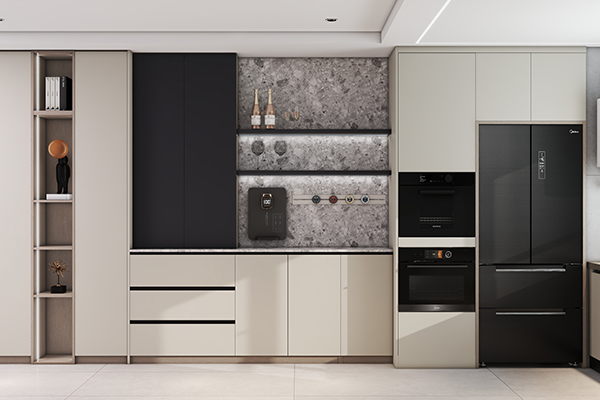
The Difference Between Furniture Fireproof Board And Fireproof Decorative Board
Many people are prone to confuse high pressure laminate for furniture with high pressure decorative laminate sheets, but in fact, there is a clear distinction between the core positioning and structural composition of the two.
-
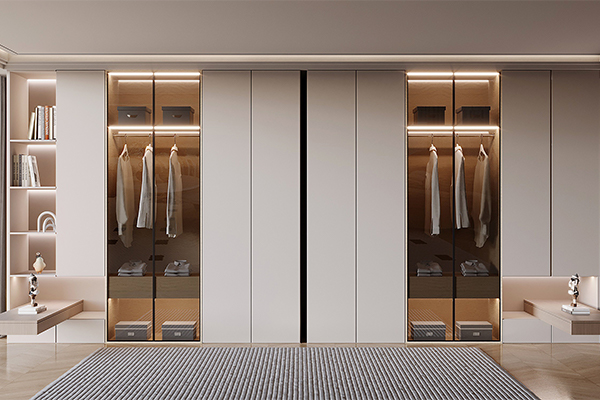
Phenolic High Pressure Decorative Laminates
Amid the densely packed buildings of the city, in our lives that we share day and night, there are always some silent "guards" standing silently.
-
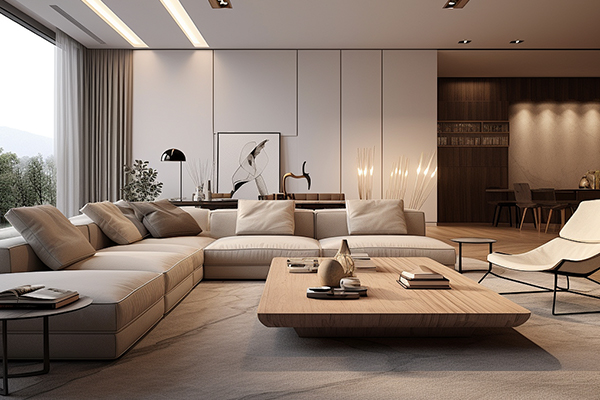
Domestic Fireproof Board Technology Breakthrough
High pressure laminates, as the core materials of building fire protection, directly determine the protection effect and application value with their flame retardant performance, environmental indicators and physical and mechanical properties.
-
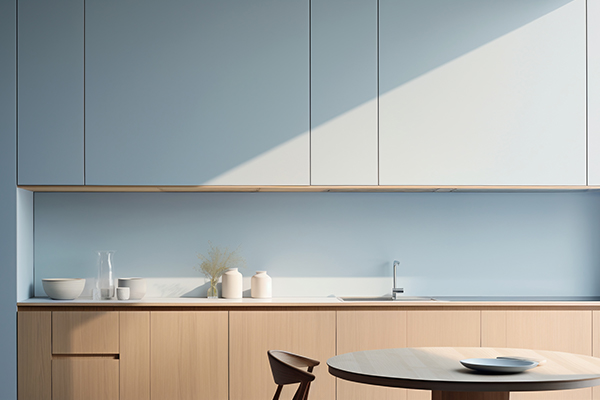
China Melamine Decorative High Pressure Laminates
The early morning sun shines through the kitchen gauze window, falling on the off-white cabinet doors, the fingertips slide over the smooth surface.
-
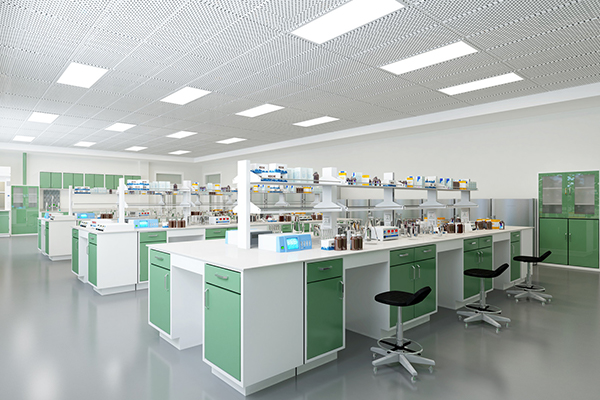
Antibacterial Fireproof Board
In the corner of the hospital's disinfected examination room, next to the laboratory's precise instruments, a seemingly ordinary decorative panel is silently fulfilling its mission.
-
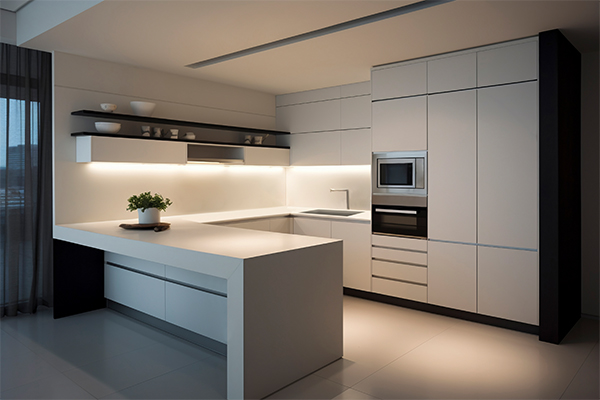
The Anti-Finger Print High Pressure Laminate Cabinet
When the smoke and fire of frying and cooking fill the kitchen, and when the fingertips frequently touch the cabinet door panels, the anti-finger print high pressure laminate cabinet is shielded by technology.
-
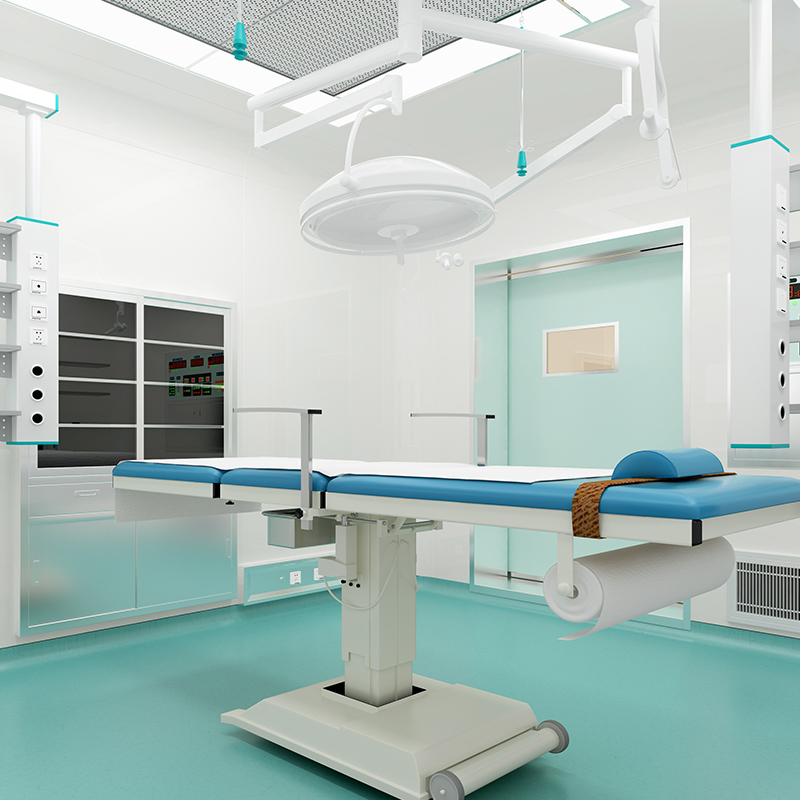
Applications of Anti-Bacterial Compact Laminate Countertops in Hygiene-Critical Spaces
With increasing awareness of hygiene and infection control, anti-bacterial compact laminate countertops are becoming an essential material choice in both public and private environments. Designed with a dense core and treated surfaces that inhibit bacterial growth, these countertops combine durability, safety, and modern aesthetics, making them suitable for a wide range of applications.
-
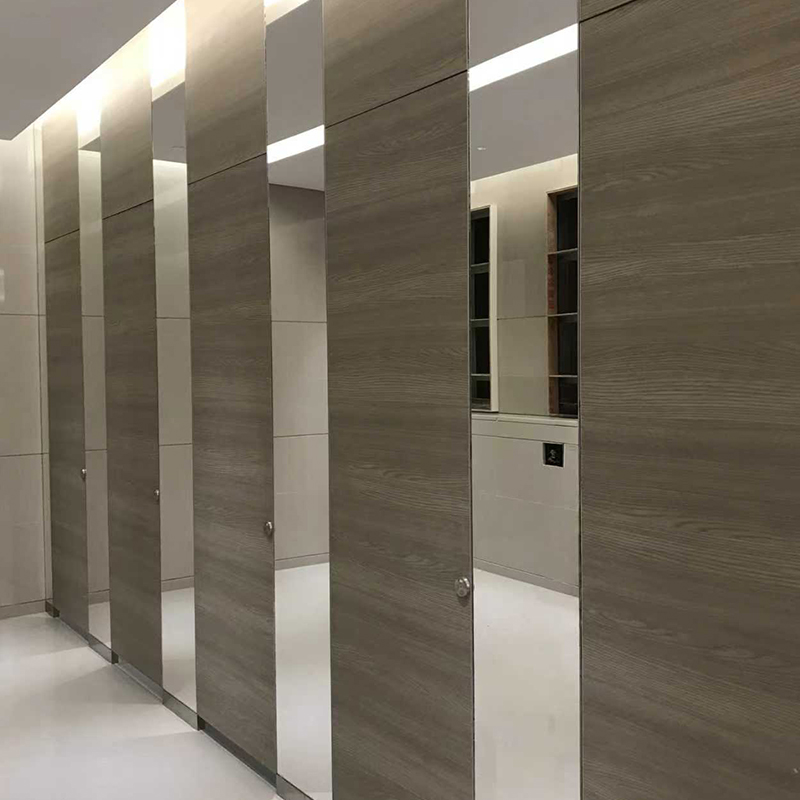
Applications of Compact Laminate Restroom Partitions in Modern Public Facilities
As public and commercial buildings place increasing emphasis on durability, hygiene, and long-term value, compact laminate restroom partitions are becoming a preferred solution across a wide range of facilities. Designed with a solid, high-density core, compact laminate partitions offer superior performance compared with traditional materials, making them suitable for demanding restroom environments.
-
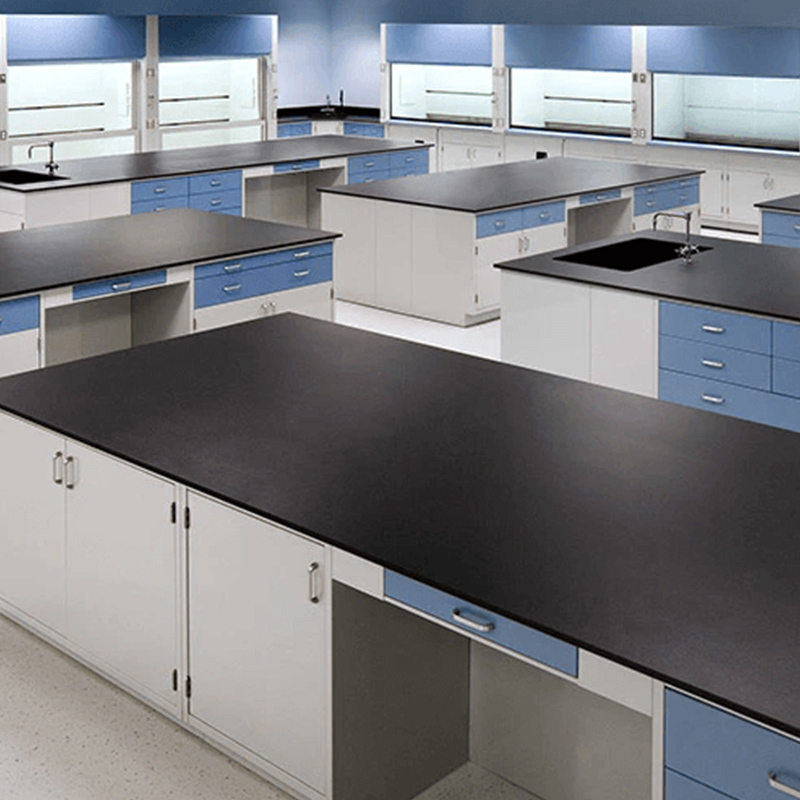
Compact Laminate Sees Growing Demand Across Laboratory, Commercial, and Public Spaces
As architects and facility managers seek materials that combine durability, hygiene, and modern design, Compact Laminate is gaining strong attention across multiple industries. Known for its high density, structural stability, and resistance to harsh environments, compact laminate is increasingly used in laboratories, healthcare facilities, commercial interiors, and public infrastructure projects.
-
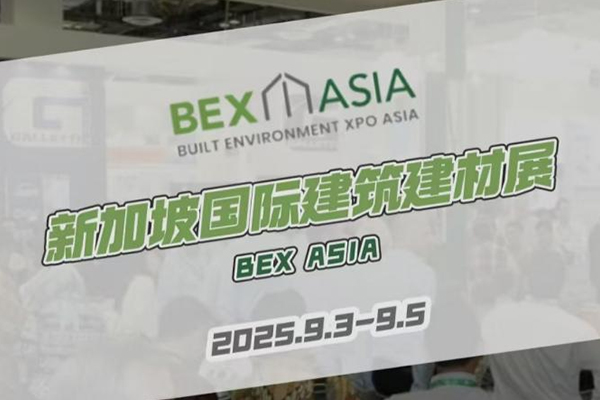
Singapore EB Exhibition 2025
Changzhou Giovannni mainly produces decorative panels. The company has strong processing capabilities, including a panel production and processing center, electronic cutting saw, 3 CNC machining centers, sliding table saw, and drilling machine.
-
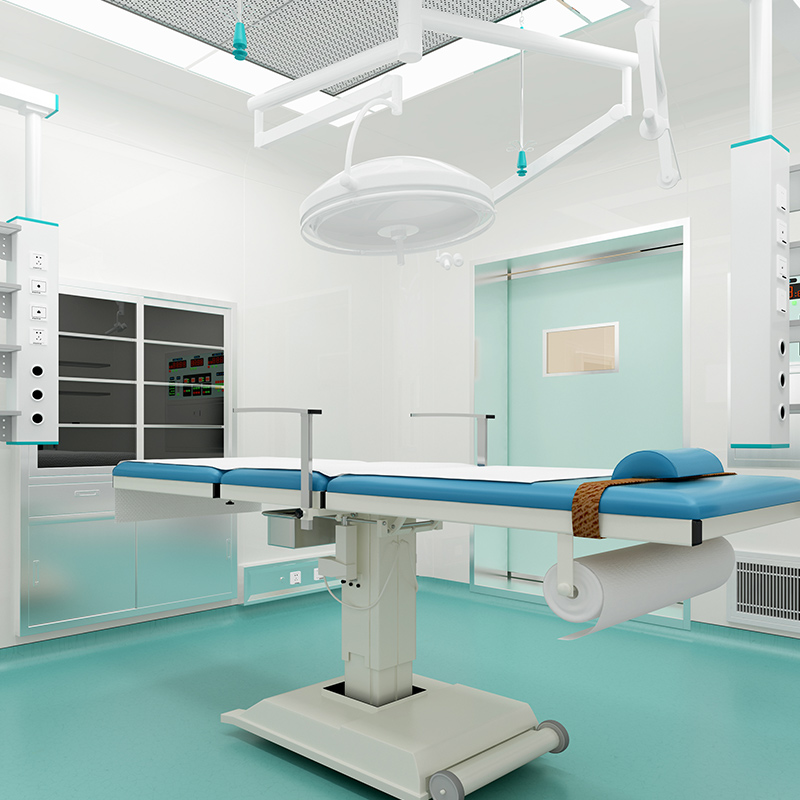
Giovanni New Materials Rises as a Global Leader Among Compact Panels Manufacturers
As the demand for durable, versatile, and design-focused building materials accelerates worldwide, Giovanni New Materials is emerging as a prominent name among leading Compact Panels manufacturers. Known for its advanced production capabilities, innovative surface technology, and commitment to sustainability, the company is gaining significant traction across architectural, commercial, and interior design sectors.
-
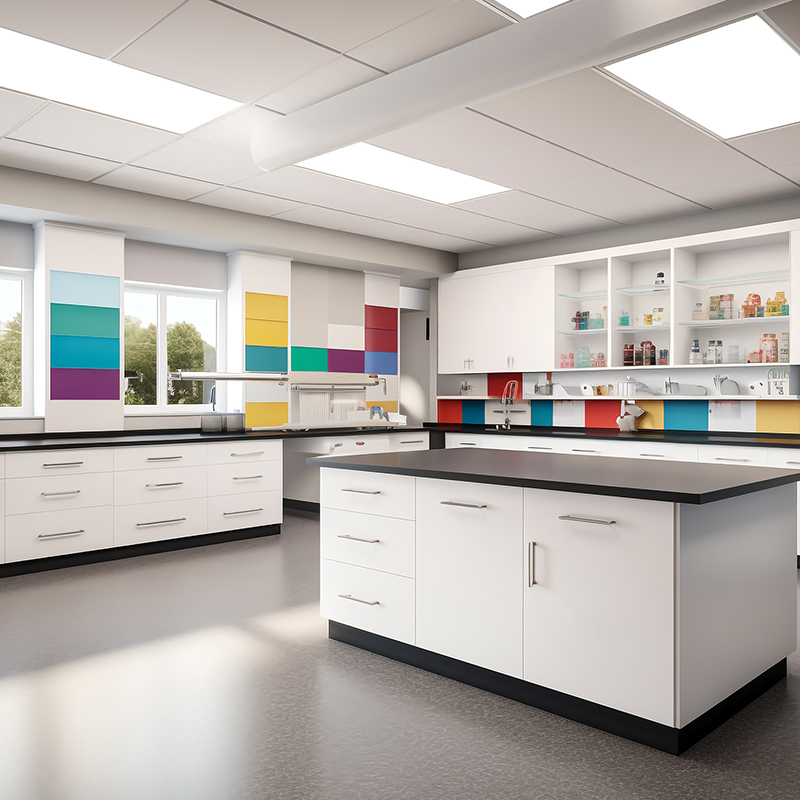
Laboratorial Chemical Resistant Boards Drive Innovation in Modern Laboratory Design
As laboratories worldwide prioritize safety, durability, and efficiency, Laboratorial Chemical Resistant Boards are becoming an essential material in modern scientific and industrial facilities. Designed to withstand exposure to aggressive chemicals, high humidity, and heavy daily use, these boards are redefining how laboratory spaces are constructed and maintained.
-
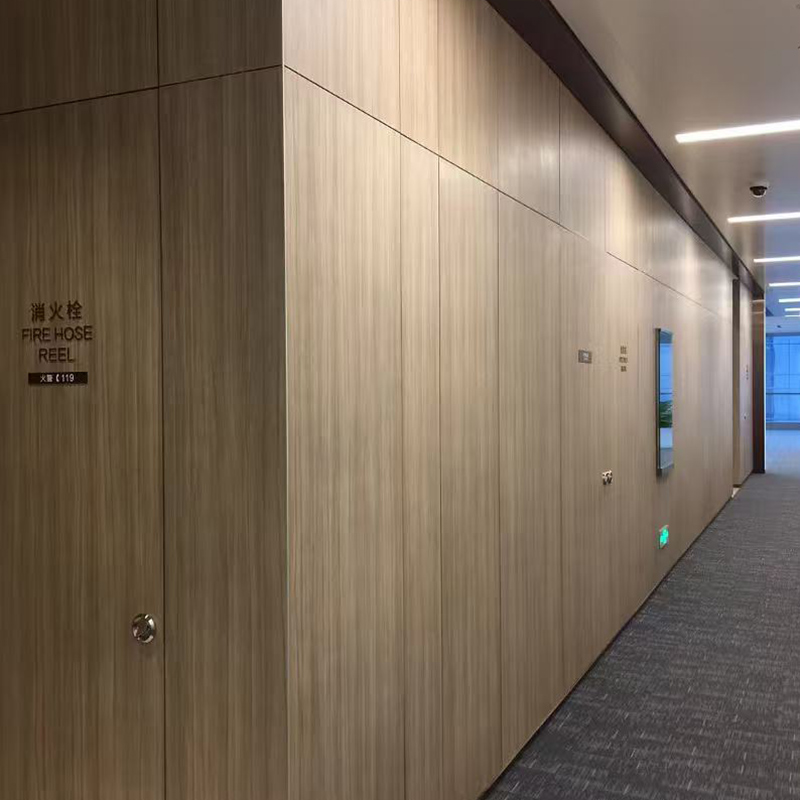
Giovanni New Materials Emerges as a Leading Player Among Wall Cladding Panel Manufacturers
As demand for high-quality, durable, and visually appealing wall surfaces continues to grow, Giovanni New Materials is strengthening its position as a top-tier Wall Cladding Panel manufacturer. With a focus on innovation, sustainable production, and advanced material technology, the brand is becoming a preferred supplier for architects, interior designers, and construction professionals worldwide.
-
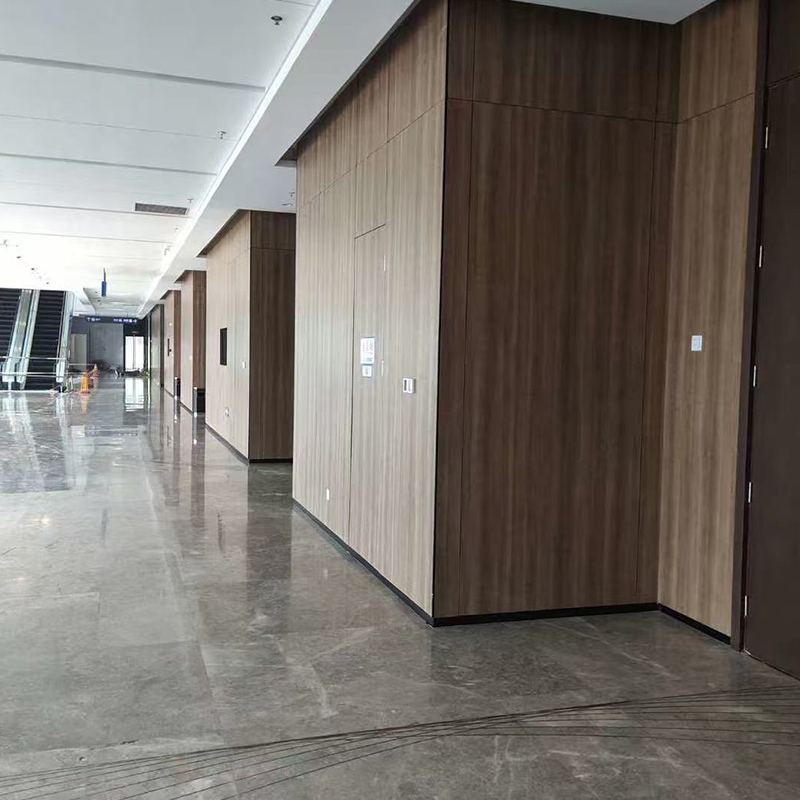
Exterior Wall Cladding Panels Gain Popularity with Compact Laminate Solutions in Modern Architecture
The demand for high-performance, visually appealing exterior building materials is on the rise, and Exterior Wall Cladding Panels made from Compact Laminate are leading the way. Architects, designers, and construction professionals are increasingly turning to these panels for their combination of durability, design flexibility, and low-maintenance properties.
-
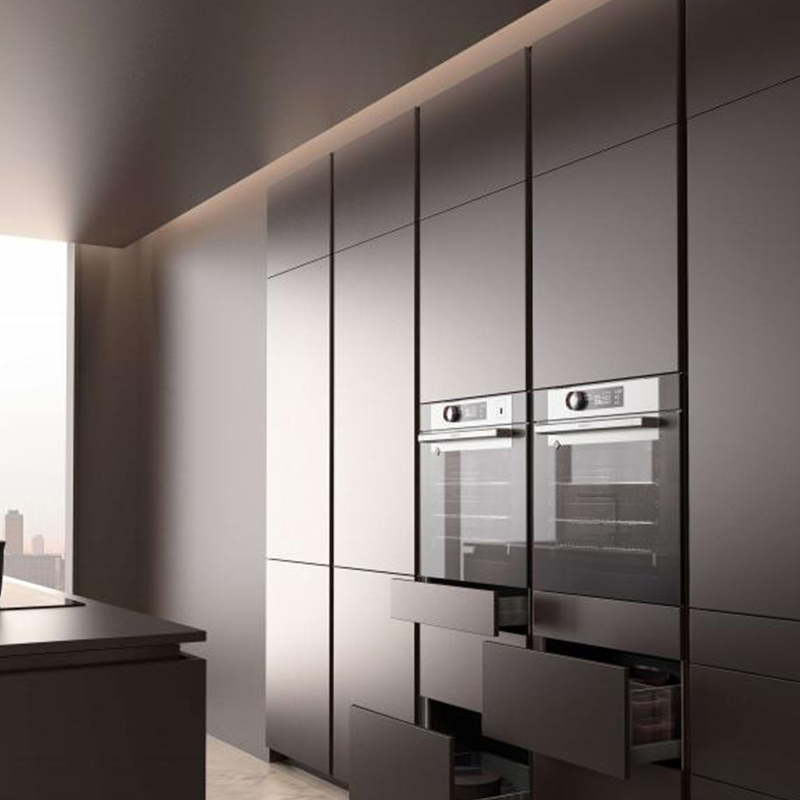
EB Anti-Fingerprint Board Gains Traction as Demand for Durable, Low-Maintenance Surfaces Rises
In the evolving market for high-performance decorative materials, the EB Anti-Fingerprint Board is rapidly gaining attention for its combination of aesthetic appeal, durability, and environmentally friendly production. Utilizing advanced EB Curing technology, this innovative material is redefining surface solutions across residential, commercial, and industrial applications.
-
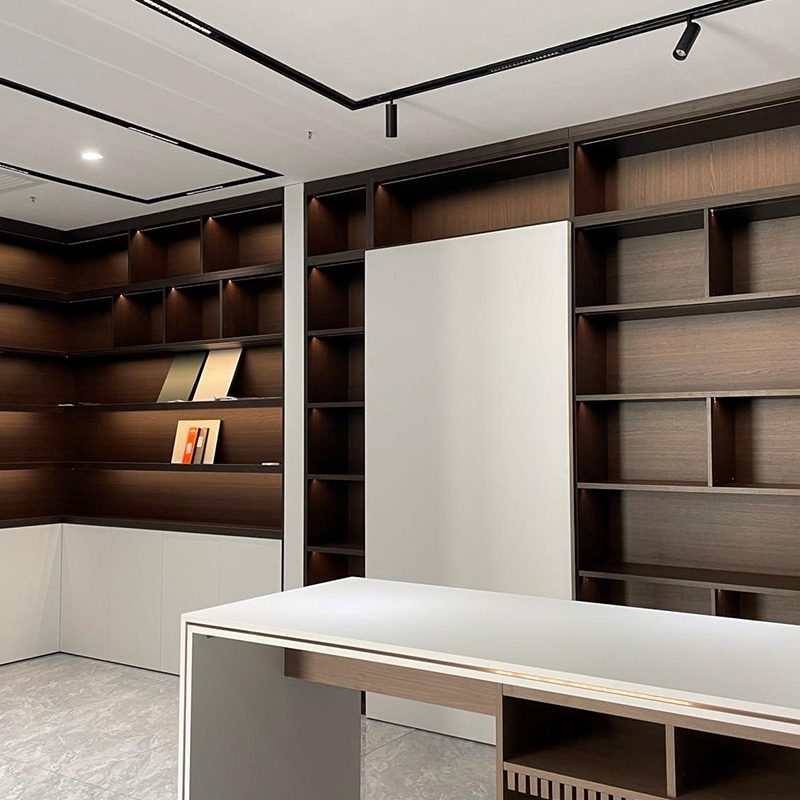
Giovanni New Materials Strengthens Its Position Among Leading High Pressure Laminate Manufacturers
As global demand for durable, stylish, and eco-conscious surface materials continues to grow, Giovanni New Materials is emerging as one of the most influential High Pressure Laminate (HPL) manufacturers in the industry. With a strong focus on advanced production technology, sustainable practices, and design innovation, the company is gaining recognition across furniture, interior design, and architectural markets.
-
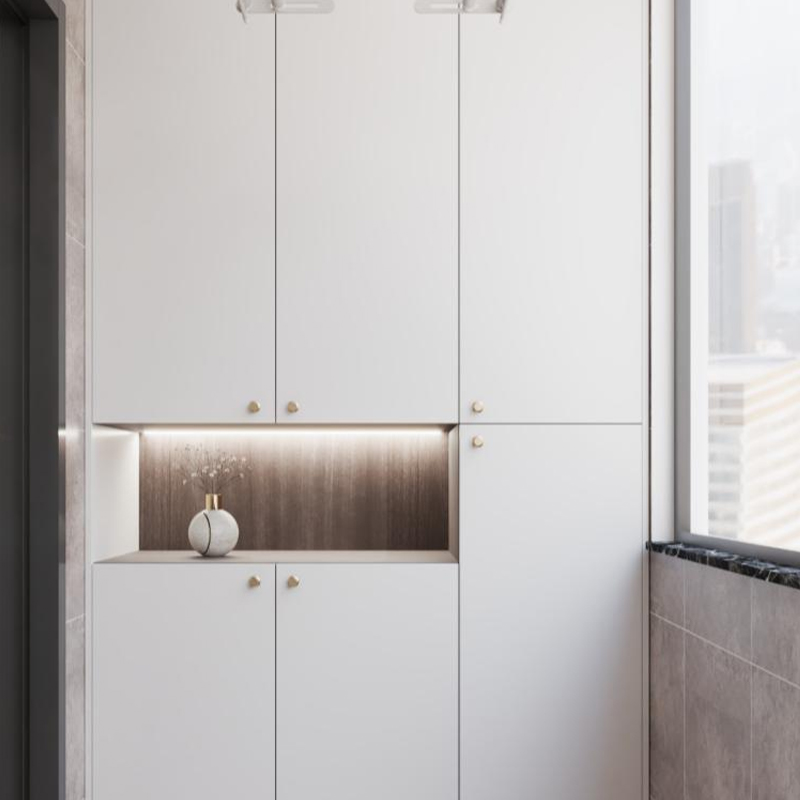
High-Gloss EB Panel Gains Widespread Adoption Across Interior, Furniture, and Commercial Design Sectors
As consumer expectations for premium, durable, and environmentally responsible materials continue to rise, the High-Gloss EB Panel is emerging as a standout choice in modern design applications. Its mirror-like finish, superior surface hardness, and long-lasting clarity—enabled by advanced Electron Beam (EB) curing technology—are driving rapid adoption across residential, commercial, and high-end retail environments.
-
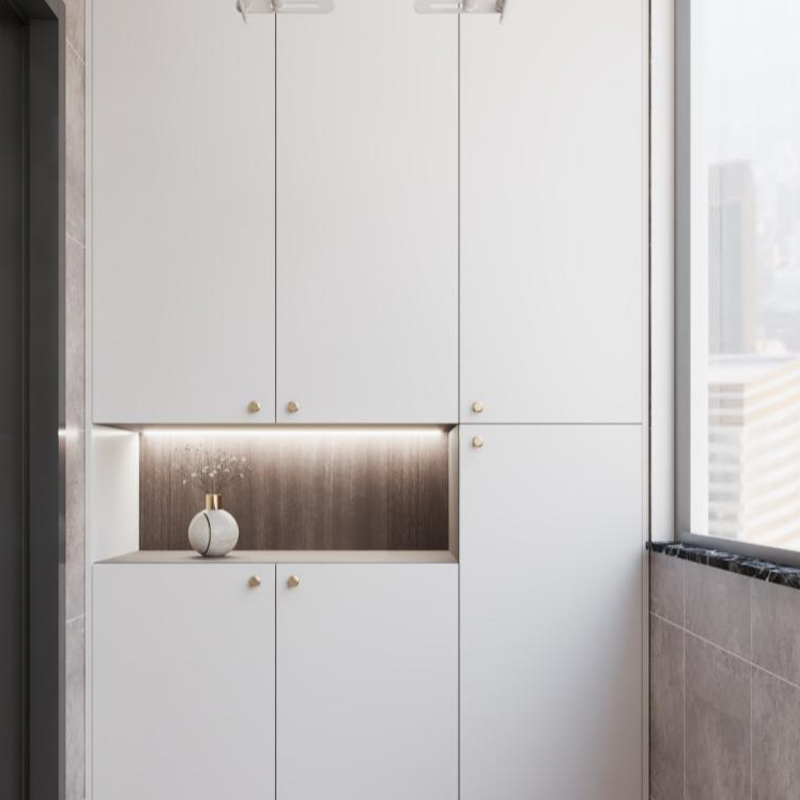
EB Curing Technology Accelerates Market Growth as Demand for Durable, Low-Maintenance Panels Surges
The global decorative materials industry is witnessing a new wave of innovation as EB Curing technology gains strong momentum across furniture, interior design, and commercial construction sectors. Products such as the EB-Cured Anti-Fingerprint Panel, EB Decorative Board, EB Anti-Fingerprint Coated Sheet, EB Anti-Fingerprint Panel, and Matte EB Panel are becoming increasingly popular due to their exceptional surface performance, sustainability advantages, and modern aesthetic appeal.
-
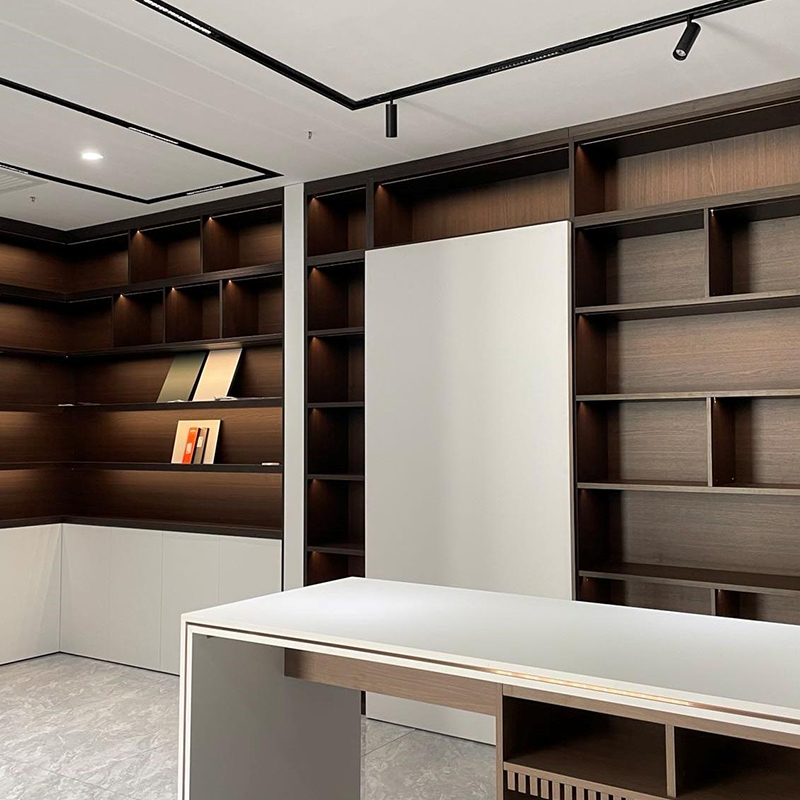
EB Matte AFP Decorative Board Finds Expanding Applications Across Modern Interior and Commercial Design
The market for high-performance decorative surfaces is rapidly evolving, and the EB Matte AFP Decorative Board is emerging as one of the most versatile materials in contemporary design. With its advanced anti-fingerprint (AFP) properties, soft-touch matte texture, and enhanced durability, the board is now being widely adopted in residential, commercial, and public spaces seeking both aesthetic appeal and long-term performance.
-
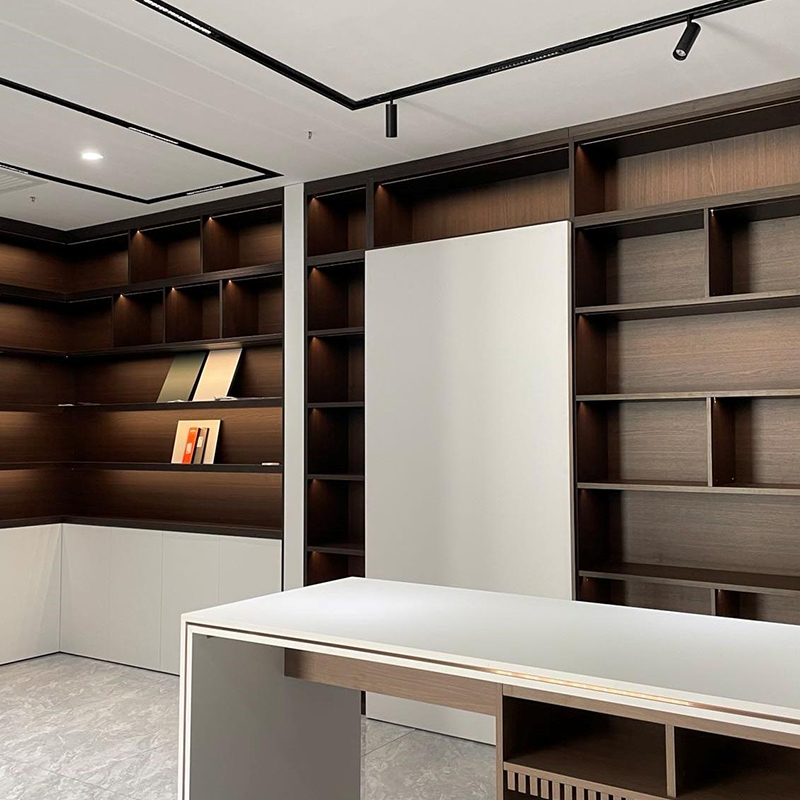
EB Matte AFP Decorative Board Gains Market Attention as Demand for Durable, Low-Glare Surfaces Grows
In response to the rising demand for premium, eco-friendly decorative materials, the EB Matte AFP Decorative Board is capturing industry interest with its refined appearance, advanced surface durability, and sustainable production process. Leveraging cutting-edge EB Curing technology, the product is emerging as a preferred choice for modern interior design, furniture manufacturing, and high-traffic commercial environments.
-
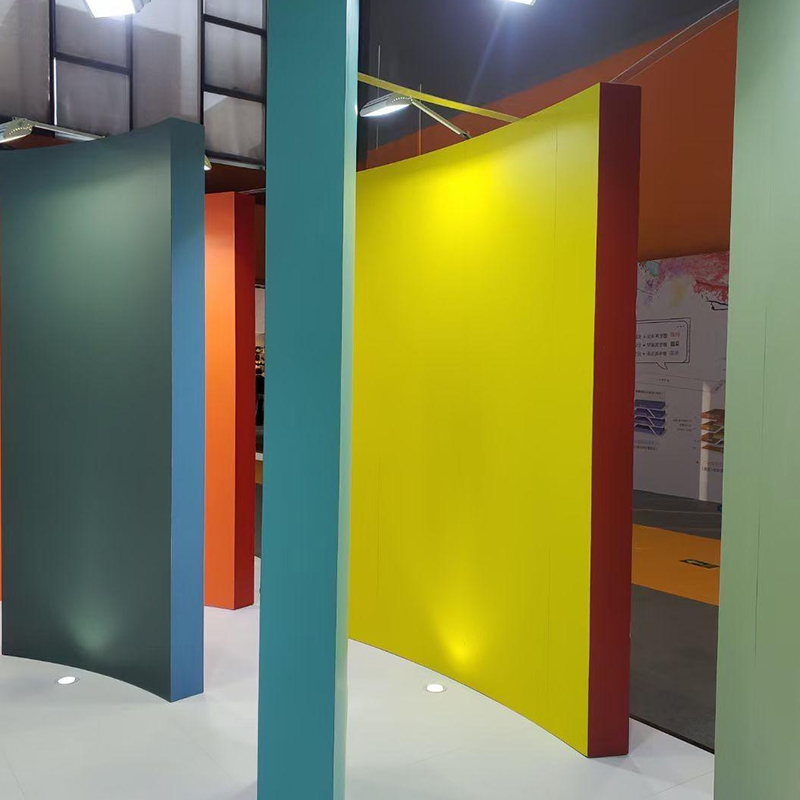
EB High-Gloss CFP Board Gains Momentum as Eco-Efficient Surfaces Rise in Demand
As global industries accelerate the shift toward greener, more efficient materials, the EB High-Gloss CFP Board is emerging as a standout solution in the decorative panels and surface-finishing market. Powered by advanced EB Curing technology, the product is drawing widespread attention from manufacturers, designers, and furniture brands seeking high-performance, environmentally responsible materials.
-
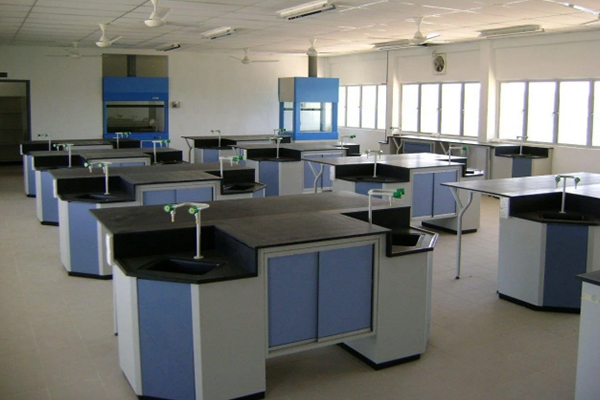
Changzhou Giovannni Mainly Produces Decorative Panels
Changzhou Giovannni mainly produces decorative panels. The company has strong processing capabilities, including a panel production and processing center, electronic cutting saw, 3 CNC machining centers, sliding table saw, and drilling machine.
-
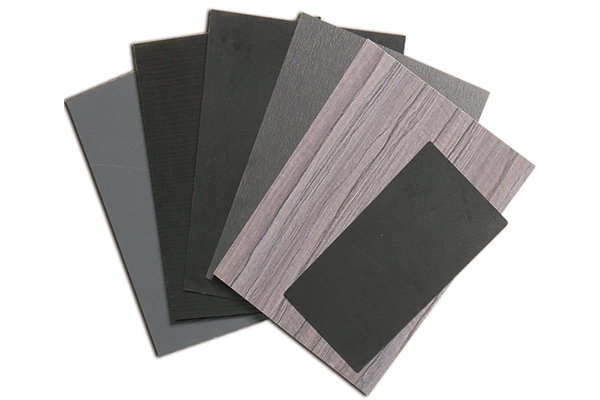
Fingerprint-Resistant Fireproof Board & Melamine Board High-Voltage Decorative Board
At a recent international building materials exhibition, a board material that combines safety and aesthetics attracted attention. Its fingerprint-resistant and fireproof board uses a nano-level anti-fingerprint coating, effectively resisting fingerprints and oil residue.
-
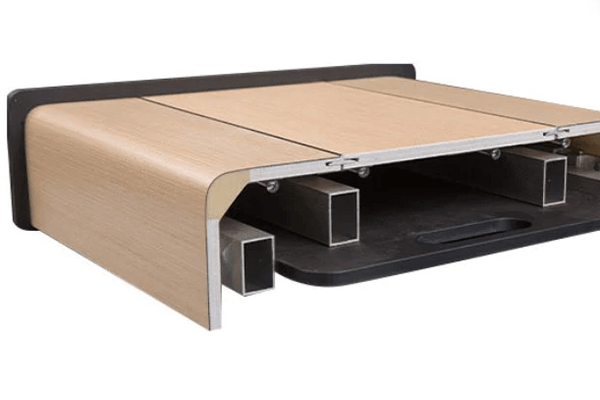
Anti-Bacteria Board: The Guardian Of Healthy Space
In today's era when people pay more and more attention to health, environmental protection and sustainable development, Anti-bacteria board is rapidly becoming a new favorite in many industries.
-
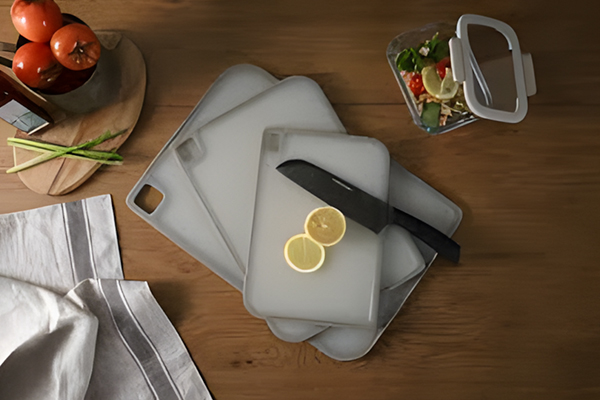
Anti-Bacteria Board: Invisible Guards Protecting Healthy Spaces
In today's society, people's attention to health and hygiene has reached an unprecedented level, especially in places with extremely high requirements for sanitary conditions such as hospitals, schools, and food processing plants.
-
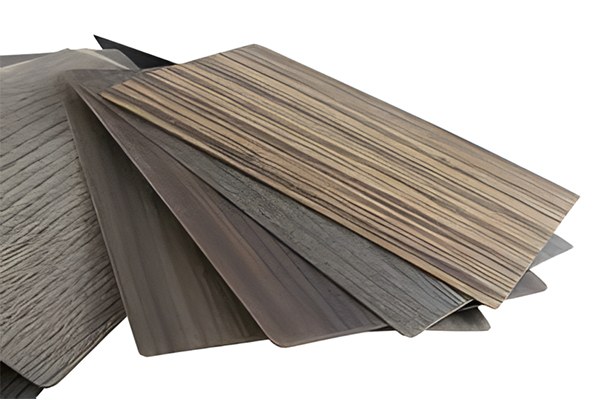
Anti-Bacteria Board: Innovative Technology To Protect Healthy Life
In today's society, as people's pursuit of a healthy lifestyle is increasing, antibacterial technology has gradually become an important part of daily life.
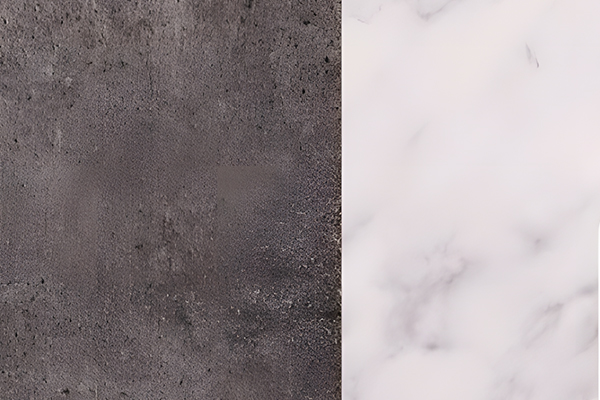
-
Anti-Bacteria Board: A Solid Barrier For Innovative Technology To Protect Healthy Life
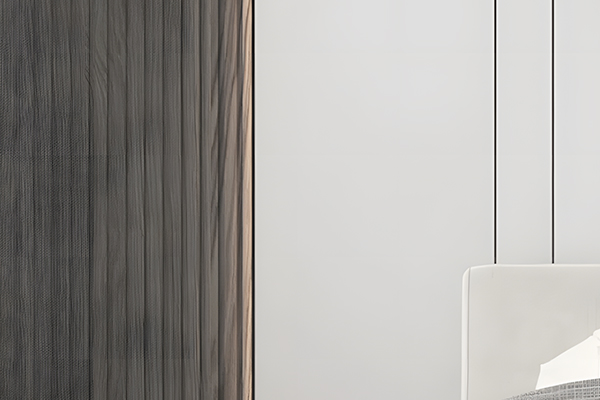
In today's society, people's health awareness is increasing, and antibacterial and mildew-proof technology has gradually penetrated into all aspects of our lives.
-
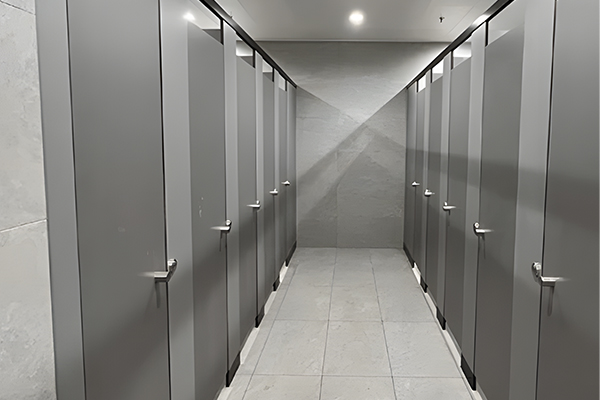
Aluminum Sandwich Boards: Light And Tough, Why Not Become The Shining Star In Material Science?
In the vast starry sky of material science, aluminum sandwich boards are like a bright star, shining in many fields with their unique charm.
-
Aluminum Sandwich Board: Innovation and Versatility in Modern Construction
In the realm of modern construction materials, aluminum sandwich board stands out for its unique blend of strength, lightweight properties, and versatility.
-
Aluminum Sandwich Board: A Versatile and Innovative Material in Modern Construction
In the realm of modern construction and engineering, materials play a pivotal role in determining the durability, efficiency, and aesthetic appeal of structures.
-
Aluminum Sandwich Board: A Versatile and High-Performance Material
Aluminum sandwich board, as a sophisticated construction material, has gained immense popularity in various industrial and architectural applications due to its unique blend of properties and versatility.
-
Aluminum Sandwich Board: A New Favorite in Architecture for Lightweight, High Strength, and Aesthetics
Aluminum Sandwich Board, a rising star in fields like architecture, advertising, and transportation, is reshaping our understanding of materials with its unique appeal and exceptional performance.
-

A New Era Of Building Safety, What Is The Charm Of Fire Retardant Board Technology?
In the vast ocean of building materials, fire retardant board, with its unique technological charm, is like a firm guardian, silently guarding the safety and well-being of mankind.
